
Is your wastewater treatment plant struggling with reduced capacity or rising operational costs? The unseen culprit might be sludge accumulation, a common issue that can silently hinder your plant’s efficiency and environmental compliance. Tackling this challenge head-on is crucial for any modern facility.
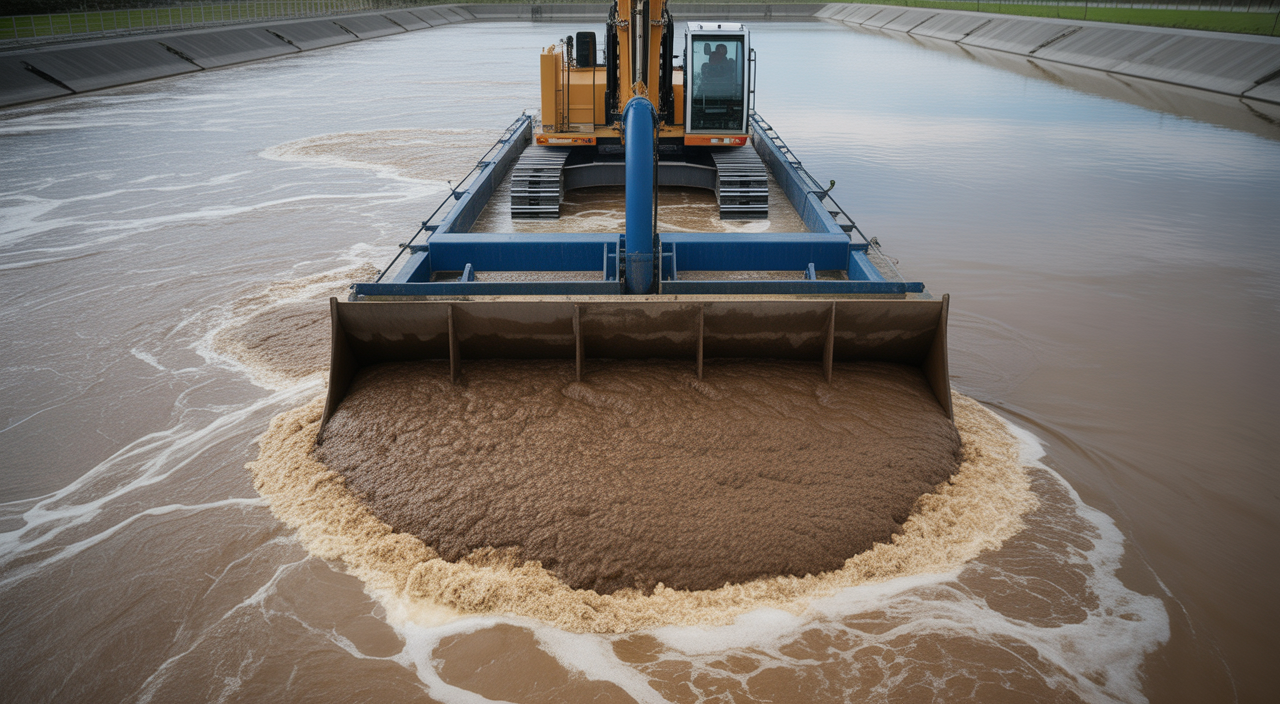
Maintaining optimal performance in a Wastewater Treatment Plant (WWTP) means consistently managing the build-up of sludge. This thick, often hazardous material settles at the bottom of lagoons, clarifiers, and digesters. Over time, it reduces the effective volume of your treatment units. To keep your plant running smoothly and efficiently, specialized sludge removal is often required. This is where a WWTP dredge becomes an indispensable tool. It helps restore your system’s design capacity and ensures long-term operational success.
The Hidden Costs of Neglected Sludge: Why Proactive WWTP Dredging is Non-Negotiable
Ignoring sludge build-up is a costly mistake. It leads to a cascade of problems that impact both your budget and your plant’s effectiveness. Understanding these hidden costs helps justify a proactive approach to sludge management.
Reduced Treatment Capacity & Efficiency
Sludge takes up valuable space in your treatment units. This means less water can be processed at any given time. Lagoons designed for a certain volume might only be operating at a fraction of that capacity. This reduces the time wastewater has to settle and treat properly. Your entire system then struggles to meet its performance goals.
Compliance Risks & Environmental Penalties
When treatment efficiency drops, the quality of your discharged water can suffer. Increased levels of suspended solids or other pollutants can lead to violations of environmental permits. These violations often result in heavy fines and negative public perception. Proactive sludge removal helps ensure you consistently meet regulatory standards.
Increased Operational Costs & Maintenance Burden
Neglected sludge makes your plant work harder. Pumps need more energy to move thicker liquids. You might need to use more chemicals to compensate for poor treatment. Manual sludge removal is also expensive, dangerous, and time-consuming. It can disrupt operations and put your staff at risk. Regular dredging can prevent these costly, emergency cleanouts.
Odor Issues & Community Impact
Sludge that sits undisturbed can become anaerobic, meaning it lacks oxygen. This process releases unpleasant odors, like hydrogen sulfide. These smells can be a major nuisance for nearby communities. This can lead to complaints and pressure from local authorities. Proper sludge management helps keep your plant a good neighbor.
Understanding the WWTP Dredge Solution: Technologies for Effective Sludge Removal
Dredging is a proven method for removing accumulated sludge. It’s a targeted approach that addresses the root cause of many WWTP operational issues. Modern dredging technology offers precise and efficient solutions.
What is WWTP Dredging?
WWTP dredging is the specialized process of removing accumulated sludge, sediment, and other settled materials from wastewater treatment ponds, lagoons, clarifiers, and digesters. The main goal is to clean these areas. This helps restore their original design capacity and improves the overall effectiveness of the wastewater treatment process. It’s a key part of effective sludge management.
Types of Dredging for Wastewater Treatment
For WWTP applications, hydraulic dredges are generally preferred. They use powerful pumps to suck up a mixture of water and sludge (a slurry). This method is excellent for handling the high water content often found in WWTP sludge. It also minimizes disturbance to the underlying liners. Remote-controlled dredges offer significant benefits. They allow operators to manage sludge removal from a safe distance, away from hazardous environments. This helps maintain continuous plant operation. For example, some municipal facilities now use advanced repairing water pipes to ensure minimal disruption to water services.
Key Features of a High-Performance WWTP Dredge
An effective WWTP dredge comes with specific features. It needs high-solids pumps that can handle thick, abrasive sludge. Specialized cutterheads break up dense material without damaging liners. Good maneuverability allows access to all areas of a pond or tank. Portability is also key, allowing the dredge to be moved between different locations. Modern dredges often have automated controls and advanced safety systems. These make operations safer and more precise.
The Unmatched Benefits of Proactive Sludge Management with a Dedicated WWTP Dredge
Investing in a dedicated WWTP dredge offers numerous advantages. These benefits extend beyond simple sludge removal, touching on efficiency, cost, and safety.
Restored System Capacity & Optimal Performance
Removing accumulated sludge directly restores the original volume of your lagoons and tanks. This allows for proper detention times and efficient processing of wastewater. Many plants see a significant increase in their effective treatment capacity. This means they can handle more wastewater more effectively.
Enhanced Treatment Efficiency & Compliance
A clean system works better. With sludge removed, biological processes can function as intended. This leads to more consistent and higher-quality treated water. This reduces the risk of non-compliance and environmental fines. Your plant can reliably meet its discharge permit limits.
Significant Cost Savings & Extended Asset Life
Proactive wastewater plant dredging saves money in the long run. It reduces the need for expensive chemical treatments and lowers energy consumption. It also prevents the high costs and risks associated with emergency manual cleanouts. Furthermore, by keeping tanks and lagoons clean, you extend the lifespan of your valuable infrastructure. This avoids premature replacement costs. It’s an investment that pays off over time.
Improved Safety & Reduced Downtime
Safety is paramount in any industrial setting. Modern dredging, especially with remote-controlled equipment, minimizes the need for human entry into hazardous environments. This greatly reduces risks to personnel. Many dredging operations can also run without requiring a complete shutdown of the plant. This means less operational downtime.
Choosing the Right WWTP Dredge: Factors to Consider for Your Facility
Selecting the best dredge for your WWTP depends on several key factors. Each plant has unique needs, and a tailored solution is often the most effective.
Sludge Characteristics
The type of sludge you have is critical. Is it thick and dense, or more liquid? Does it contain significant debris or hazardous materials? Different dredges are designed to handle various sludge compositions. Knowing your sludge helps choose the right pump and cutterhead.
Pond, Lagoon, or Digester Dimensions
Consider the size, depth, and shape of the areas needing cleaning. How accessible are these areas? Are there liners that need protection? The dredge’s size, maneuverability, and operating depth must match your facility’s layout.
Required Throughput & Discharge
How much material do you need to remove, and how quickly? What is the pumping distance to the dewatering or disposal site? The dredge’s pumping capacity and discharge capabilities must align with your project timeline and logistics. Efficient managing industrial waste processes are essential for what comes after dredging.
Environmental & Safety Regulations
Local and national regulations heavily influence dredging operations. You need equipment and procedures that comply with all environmental and safety standards. This includes minimizing turbidity and ensuring safe working conditions.
Budget & Long-Term ROI
Assess the initial investment against the long-term benefits. Consider operational savings, improved compliance, and extended equipment life. A higher initial cost might be justified by greater efficiency and lower ongoing expenses. Look for a solution that offers the best return on investment for your specific needs.
Mud Cat Dredges: Your Partner in Advanced Wastewater Sludge Removal
Mud Cat Dredge specializes in powerful, reliable solutions for complex dredging challenges. We understand the unique demands of wastewater treatment plants. Our equipment is engineered to deliver exceptional performance and efficiency in these demanding environments.
Why Mud Cat Excels in WWTP Dredging Solutions
Mud Cat dredges are built with features specifically for WWTP applications. Our remote-controlled options allow for safe operation in hazardous or confined spaces. Our high-solids pumps and specialized cutterhead designs effectively manage diverse sludge types. We offer portable, modular designs that can be customized to fit your specific lagoon or digester dimensions. We have a proven track record of helping facilities worldwide improve their sludge management.
Real-World Impact: How Our WWTP Dredges Deliver Results
Our solutions consistently deliver tangible benefits. For example, a recent municipal wastewater plant project utilized a specialized Mud Cat dredge. They were able to increase their clarifier capacity by over 20%. This significantly improved their overall treatment efficiency and compliance. Our clients often report reduced operational costs and increased safety for their teams. To explore our full range of innovative WWTP dredge solutions designed for maximum efficiency, safety, and compliance, visit our dedicated Water and Wastewater Dredging page. Discover how Mud Cat can optimize your facility’s performance.
Conclusion: Invest in Efficiency, Ensure Compliance with Smart WWTP Dredging
Proactive sludge management is more than just maintenance. It’s an essential strategy for ensuring the long-term health and efficiency of your wastewater treatment plant. By embracing effective WWTP dredging, you can restore capacity, lower operating costs, and consistently meet environmental standards. Choose a solution that brings reliability, safety, and superior performance to your facility.
Ready to restore your wastewater treatment plant’s capacity and boost operational efficiency? Contact Mud Cat Dredge today for a personalized consultation or to learn more about our advanced WWTP dredging solutions.
Frequently Asked Questions (FAQs)
1. How often should a WWTP perform dredging?
The frequency of dredging depends on several factors. These include the rate of sludge accumulation, the plant’s design capacity, and regulatory requirements. Many plants benefit from a proactive dredging schedule. This often means evaluating sludge levels every 1-3 years and planning removal as needed. This prevents excessive build-up and maintains optimal performance.
2. Can dredging be done without shutting down the entire wastewater treatment plant?
Yes, in many cases, modern dredging techniques allow for operations without a complete plant shutdown. Remote-controlled dredges are especially useful here. They can work in specific areas while other parts of the plant continue to operate. This minimizes disruption to wastewater treatment processes and helps maintain continuous service.

Althea Carter is an aspiring writer and storyteller from Kentucky. Her passion for literature and storytelling began at a young age, and now she is an avid blogger and author, sharing her experiences and stories with readers from around the world. When she’s not creating content for her blog, Althea loves nothing more than exploring the complexities of the human experience through theatre, reading, painting, and travelling. She hopes her words and art can inspire others to create, explore, and experience the world around them.