
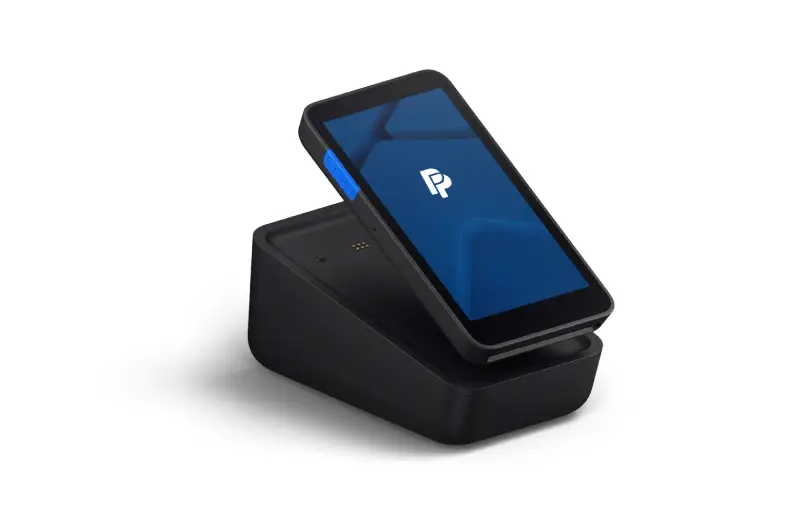
Accepting card payments is essential for businesses in the UK, but high transaction fees can eat into profits. Whether you run a small shop, an online store, or a mobile business, choosing the right card machine with the lowest transaction fees can make a big difference. This guide explores various card machines, compares their fees, and helps you find the best option for cost-effective payment processing.
Why Transaction Fees Matter For UK Businesses?
Card payment machine in UK impact the overall revenue of businesses, especially those with high sales volumes. While some card machines have low upfront costs, their per-transaction fees can add up quickly. Understanding how these fees work and what to look for when choosing a provider is crucial to keeping operational costs under control.

Key Factors That Influence Card Machine Transaction Costs
Different factors determine the transaction fees of a card machine, including the type of payment being processed, whether it is an in-person, online, or contactless transaction. Debit cards usually have lower fees compared to credit card transactions. The terms of a merchant agreement also play a role, with some providers charging monthly fees while others take a percentage per transaction. The size of a business is another factor, as high-volume businesses may qualify for lower rates due to bulk transactions.
Comparing The Most Affordable Card Machines In The UK
Several card payment providers offer competitive transaction fees, but the best choice depends on business needs. Flat-rate providers charge a fixed percentage per transaction, which is ideal for small businesses with irregular sales. Interchange plus providers have fees that vary based on the card type and issuing bank, often leading to cost savings for high-volume businesses. Subscription-based models are also available, where businesses pay a fixed monthly fee in exchange for lower per-transaction costs.
Hidden Costs To Watch For In Card Payment Processing
While low transaction fees are attractive, some providers have additional charges that businesses should be aware of. Monthly service fees can add up over time, making some options more expensive than they initially appear. Chargeback fees are another concern, as businesses may have to pay a penalty if a customer disputes a transaction. PCI compliance costs are also a factor, as maintaining payment security standards can lead to extra charges. Some providers require businesses to pay equipment rental fees, which may increase overall expenses. Understanding these hidden costs can prevent unexpected expenses and ensure long-term savings.
How To Choose The Right Card Machine For Your Business?
The best card machine depends on business size, transaction volume, and preferred payment methods. Small businesses may benefit from a provider with no monthly fees and low per-transaction charges. Larger businesses that handle high volumes of transactions might find subscription-based models more cost-effective. Comparing different providers and their fee structures is essential to finding the most affordable and reliable option.
Conclusion
Selecting the right card machine with the lowest transaction fees in the UK requires careful consideration of business needs. By evaluating transaction fees, hidden costs, and pricing structures, businesses can find a cost-effective solution that helps them maximize profits without sacrificing convenience.

Althea Carter is an aspiring writer and storyteller from Kentucky. Her passion for literature and storytelling began at a young age, and now she is an avid blogger and author, sharing her experiences and stories with readers from around the world. When she’s not creating content for her blog, Althea loves nothing more than exploring the complexities of the human experience through theatre, reading, painting, and travelling. She hopes her words and art can inspire others to create, explore, and experience the world around them.