

If you export from India to Europe, you have likely heard about the t1 certificate. You may know it is linked to customs, but the details can feel confusing. In simple terms, this document decides how smooth, fast, and cost‑effective your cargo movement inside the European Union will be.
A T1 certificate is an EU transit document. It allows non‑EU goods, like those shipped from India, to move across EU countries under customs control without paying customs duty and VAT at every border. Duties become payable only when the goods reach their final EU destination.
For Indian manufacturers, traders, and logistics companies, understanding how this certificate works can directly improve profit margins. It also builds a more reliable and professional reputation with European buyers and partners.
What Exactly Is a T1 Certificate?
A t1 certificate is used when goods enter the EU but are not yet cleared for “free circulation.” In other words, the goods are in transit. They may pass through several EU countries before reaching the final customs office where duties are finally paid.
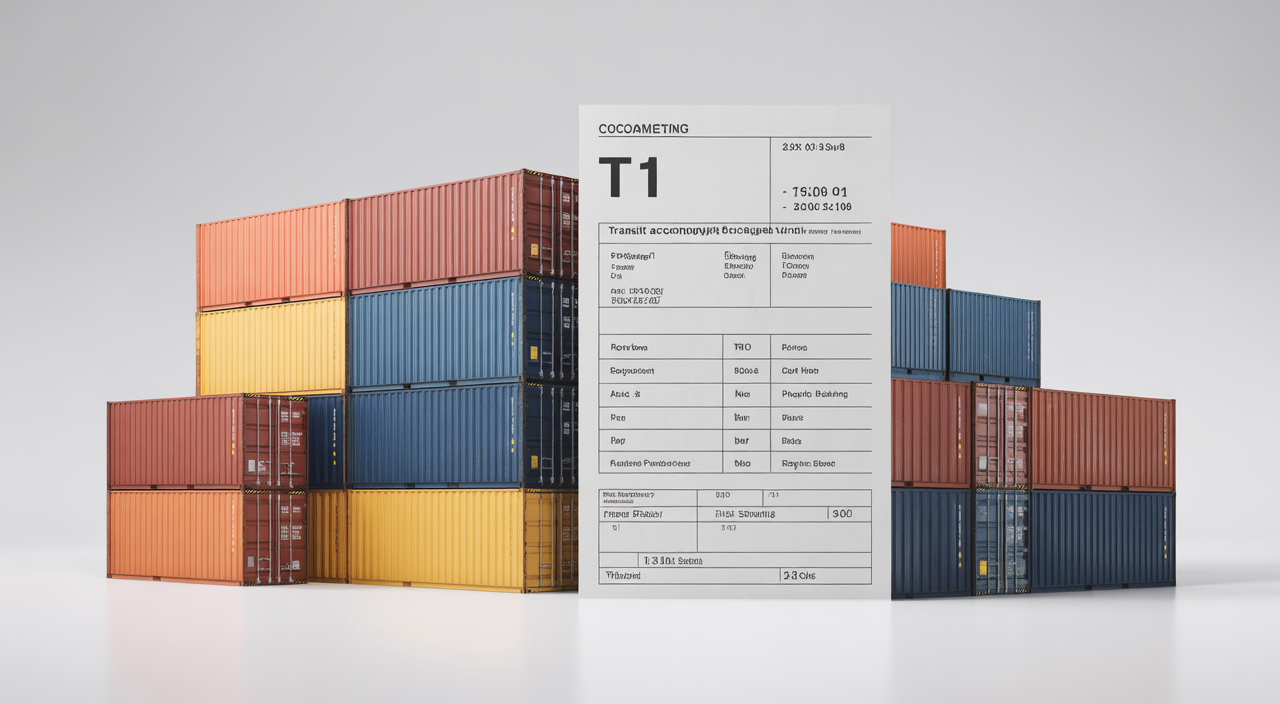
The document is registered in the EU’s electronic system called the New Computerized Transit System (NCTS). The physical printout is called the Transit Accompanying Document (TAD). This TAD travels with the truck, container, or wagon and proves to customs that the goods are moving under official transit rules.
Without this transit cover, your shipment may face duties at multiple points, more checks, and higher compliance risk.
Key Benefits for Indian Exporters and Logistics Providers
For Indian businesses, especially those shipping to multiple EU locations or via EU hubs, this certificate offers very practical advantages.
- Duty suspension: Import duties and VAT are not paid at the first EU entry point. They are deferred until the final customs office, which improves your short‑term cash flow.
- Faster border crossings: Since transit is pre‑approved in NCTS, customs officers only need to verify the TAD and seals. This greatly reduces border delays.
- Cost savings: You avoid paying duty and then claiming refunds from each country on the route. This cuts both direct costs and administrative work.
- Legal compliance: Proper transit reduces the risk of penalties, cargo holds, and negative flags on your company profile.
- Clear supply chain visibility: Movements are tracked through the EU system, which helps you and your European buyer monitor the status of the shipment.
Documents and Prerequisites You Must Prepare
Before applying for this EU transit document, your European customs broker or freight forwarder will need a clear document set. As an Indian exporter, having these ready upfront saves a lot of time.
- Commercial invoice with accurate values, currency, and Incoterms
- Packing list with weight, number of packages, and marks
- Transport document such as Bill of Lading or CMR (for road transport)
- EUR.1 movement certificate, if any preferential tariff is used under a trade agreement
- Previous transit reference if the goods are being re‑exported under another T1
- Valid EORI number (Economic Operators Registration and Identification) for the EU importer or representative
- Guarantee or security to cover possible customs duties and taxes
- Power of Attorney, if a customs agent or forwarder is acting on behalf of the importer
Indian companies often coordinate these items with their EU partner. It helps to create a standard checklist that your team uses for every shipment to Europe.
How Long Is the T1 Certificate Valid?
In most cases, transit under T1 is valid for up to 90 days within the EU. This is usually more than enough, even for road and rail movements across several countries.
If there are unexpected delays, the customs office of transit or destination can extend the validity based on a justified request. This must be done before the initial period expires.
If the validity period ends and the transit is not properly closed, customs may treat the goods as released into free circulation at the last known location. At that point, duties and VAT can become due, and follow‑up explanations will be required.
Step‑by‑Step: How the T1 Transit Process Works
While the technical work is usually handled in Europe, it is useful for Indian exporters to know how the flow looks:
- Document preparation: The importer or agent gathers the invoice, packing list, transport documents, and guarantee.
- Electronic application in NCTS: Data is submitted through the national customs system in the first EU country of entry.
- Issue of Transit Accompanying Document: A TAD with a unique Movement Reference Number (MRN) is generated.
- Departure customs check: The TAD and goods are presented at the customs office of departure. Seals may be applied.
- Movement through EU territory: The carrier moves the goods. Some events can be updated in NCTS, especially when passing certain checkpoints.
- Arrival at destination customs: The TAD is presented at the customs office of destination. Officers verify the cargo and close the transit.
- Discharge confirmation: The system sends a discharge message to confirm the transit is completed correctly.
For deeper understanding of how structured processes reduce risk in other areas, you can refer to this article on step‑by‑step compliance workflows.
Common Mistakes to Avoid
Many transit issues come from small details. A few simple checks can protect your shipment:
- Ensure invoice, packing list, and transport details match exactly.
- Confirm that the EORI number used is valid and belongs to the correct EU entity.
- Make sure the customs guarantee covers the full potential duty and tax amount.
- Ask your carrier or agent to keep NCTS status updated when required.
- Ensure the TAD is presented at the destination customs office within the validity period.
What If You Ignore the Transit Rules?
Skipping a proper T1 transit or handling it casually can create avoidable complications. Goods may be held at borders, causing delays and extra storage charges. Customs can also demand immediate payment of duties and VAT if they believe transit conditions are not respected.
In serious cases, repeated problems can lead to stricter checks on future shipments. This is why many Indian exporters prefer to work with specialists and keep a clean compliance record.
Understanding the Cost Involved
The total cost of arranging a T1 transit includes official customs fees, the guarantee charge, and the service fee from your customs broker or freight forwarder. While exact numbers depend on the EU country, shipment value, and risk level, the overall spend is usually much lower than paying duties multiple times or facing delays.
When negotiating with your EU partner, clarify who will bear these charges and how they are reflected in your price or Incoterm. This keeps your margins predictable and helps you plan cash flows better.
Why Work With a Specialist Service Provider?
Handling transit correctly needs experience with EU customs, NCTS, and guarantees. A specialist consultancy can prepare and check documents, arrange guarantees at competitive rates, file and track the MRN, and support you if there are route changes or delays.
Such experts also guide you on broader regulatory topics. For example, you can study how certifications impact business operations through resources on leveraging compliance certificates for growth.
Final Thoughts
For Indian exporters targeting Europe, a t1 certificate is not just a formality. It is a practical tool that keeps goods moving smoothly, protects cash flow, and supports long‑term trade relationships.
By understanding the benefits, keeping your documentation accurate, and partnering with capable customs professionals, you can turn EU transit from a perceived hurdle into a real competitive advantage.
FAQs About the T1 Certificate
Q1: What is a T1 certificate used for?
A1: It is used to move non‑EU goods under customs control across EU territory without paying customs duty and VAT at each internal border. Duties and taxes are paid only at the final customs office of destination.
Q2: How long is a T1 certificate valid?
A2: In general, it is valid for up to 90 days within the EU. If delays occur, the responsible customs office can grant an extension when a justified request is made before the original expiry date.
Q3: Can the validity of a T1 certificate be extended?
A3: Yes. The importer or customs representative can apply for an extension from the relevant customs office, explaining the reason for the delay, such as route problems or operational issues.
Q4: What happens if the T1 certificate expires before arrival?
A4: Customs may treat the goods as released into free circulation, and duties and VAT can become payable at the place where the transit was last recorded. Additional clarification and documentation may also be requested.
Q5: How much does getting a T1 certificate usually cost?
A5: Costs vary by country and service provider, but you can expect a combination of official customs fees, guarantee charges, and broker or forwarder service fees. When compared with the benefit of duty suspension and faster crossings, most exporters find the cost very reasonable.

Althea Carter is an aspiring writer and storyteller from Kentucky. Her passion for literature and storytelling began at a young age, and now she is an avid blogger and author, sharing her experiences and stories with readers from around the world. When she’s not creating content for her blog, Althea loves nothing more than exploring the complexities of the human experience through theatre, reading, painting, and travelling. She hopes her words and art can inspire others to create, explore, and experience the world around them.