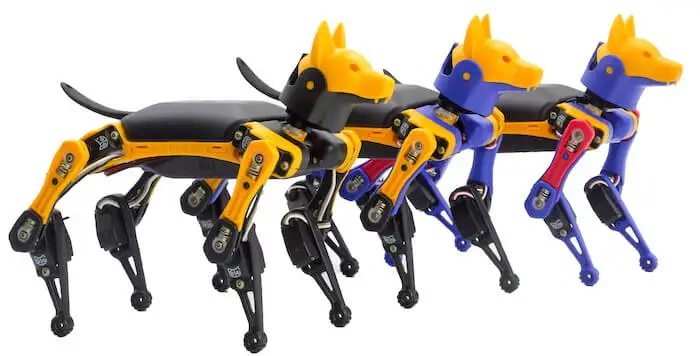
Exploring mechanical engineering through kits designed for adults can be both fun and educational. Robotics kits, for instance, let you dive into building and programming robots, which helps sharpen problem-solving skills. Meanwhile, mechanical gear kits bring clarity to complex systems by allowing you to play with gears and pulleys. With Arduino starter kits, you’ll bridge the gap between coding and hardware in hands-on projects ranging from simple to advanced. Bridge building kits teach structural integrity while fostering teamwork—great for group activities! Lastly, 3D printing kits combine creativity with engineering as you design and create tangible objects from your ideas.
1. Robotics Kits for Hands-On Learning
Robotics kits provide a fantastic way for adults to dive into the world of engineering through practical experience. Mechanical engineering kits for adults usually come equipped with microcontrollers, sensors, and motors, along with software for programming. This hands-on approach enhances problem-solving and critical thinking skills as users learn to build and program their own robots. For instance, a simple project might involve creating a robot that can navigate obstacles, which teaches automation and basic AI concepts. As users engage with these kits, they gain valuable insights into mechatronics, a field that blends mechanics, electronics, and computing. The process not only boosts coding skills but also nurtures creativity and innovation, making it an ideal choice for anyone looking to expand their engineering knowledge.
2. Understanding Mechanics with Gear Kits
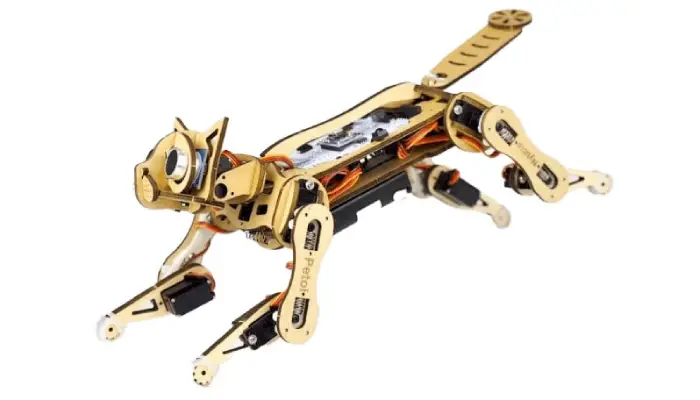
Mechanical gear kits are a fantastic way to dive into the world of mechanics. They provide the tools to build intricate systems that demonstrate how gears work together. With these kits, you can create everything from simple gear trains to complex machines that illustrate concepts like gear ratios and mechanical advantage. For instance, by experimenting with different gear sizes, you can see how they affect speed and torque in a tangible way.
These kits typically come with an assortment of gears, pulleys, and connectors, allowing for endless possibilities in construction. As you assemble the components, you gain a better understanding of mechanical principles in real-time, which is invaluable for anyone interested in engineering. This hands-on experience not only enhances your spatial awareness but also sharpens your engineering design skills.
Moreover, many gear kits challenge users to solve mechanical problems, fostering critical thinking and innovation. For example, you might be tasked with designing a simple machine that can lift a certain weight using the least amount of effort. Such challenges encourage you to think creatively and apply theoretical knowledge in practical situations.
In summary, gear kits are more than just toys; they are educational resources that lay the groundwork for future engineers. By exploring the dynamics of gears, you become equipped with essential skills that are applicable in various fields of engineering.
3. Exploring Electronics with Arduino Kits
Arduino kits are a fantastic way for adults to dive into the world of electronics and programming. These kits typically come with an Arduino board, a selection of sensors, LED lights, and various other components that can be combined to create exciting projects. For example, you could build a simple temperature sensor that lights up an LED when the temperature exceeds a certain level, or even create a small robot that can move based on input from ultrasonic sensors.
The beauty of Arduino lies in its versatility. Whether you’re a complete beginner or have some experience, these kits provide a structured way to learn. They often include detailed project guides that walk you through the process of coding and connecting components. This hands-on approach helps bridge the gap between theory and practice, making complex concepts more accessible.
Working with Arduino encourages a mindset of innovation and creativity. As you experiment with different combinations of components and code, you may stumble upon ideas for unique projects that address real-world problems. Plus, the community around Arduino is vast, offering a wealth of resources and inspiration to help you along the way.
- Easy to learn for beginners
- Versatile applications in robotics and automation
- Engaging community for support and collaboration
- Availability of countless project ideas online
- Compatible with various sensors and modules
- Enhances problem-solving and critical thinking skills
- Encourages creativity in electronic design
4. Structural Insights from Bridge Building Kits
Bridge building kits provide a fascinating glimpse into the world of structural engineering. By working with materials like balsa wood or plastic beams, users engage in the design and construction of various types of bridges, such as truss, arch, and suspension bridges. These kits often come with clear guidelines that help users understand the fundamentals of load distribution and stability. For instance, constructing a truss bridge can teach about how forces are distributed across different elements, which is crucial for maintaining structural integrity. Additionally, these kits encourage collaboration, making them ideal for group projects or engineering competitions. Participants can brainstorm designs, share ideas, and learn the importance of teamwork in achieving a common goal. Overall, bridge building kits not only enhance technical skills but also instill a deeper appreciation for the engineering principles that support the structures we depend on every day.
5. Creativity Unleashed with 3D Printing Kits
3D printing kits are a gateway for adults to explore the intersection of creativity and engineering. These kits typically come with a 3D printer, design software, and materials like filament for printing. Users can design anything from simple prototypes to complex models, enabling them to see their ideas take physical form. For instance, a kit might allow you to create custom tools, decorative items, or even prototypes for engineering projects.
The process of designing for 3D printing enhances understanding of design principles and manufacturing processes. It encourages you to think critically about how to make your designs functional and aesthetically pleasing. Additionally, 3D printing fosters innovation, as you can rapidly prototype and iterate on your ideas, which is invaluable in a professional engineering context.
Moreover, these kits often come with communities and resources where users can share their creations and get feedback, further enhancing the learning experience. Whether you’re a hobbyist or looking to expand your engineering skills, 3D printing kits offer an engaging way to unleash your creativity.
Frequently Asked Questions
1. What types of projects can I build with mechanical engineering kits?
You can build all sorts of things, like gears, robots, and simple machines. These kits let you create projects that show how mechanics work.
2. Are mechanical engineering kits suitable for beginners?
Yes, many kits are designed for beginners and come with instructions. They help you learn the basics while having fun.
3. What skills can I learn from these mechanical engineering kits?
You can learn problem-solving, critical thinking, and basic engineering principles. They also help improve your manual dexterity and creativity.
4. Can I use these mechanical engineering kits for educational purposes?
Absolutely! Many schools use them to teach engineering concepts. They provide hands-on experience that makes learning engaging.
5. How do I choose the right mechanical engineering kit for my needs?
Consider your skill level, what you want to build, and the complexity of the kit. Reading reviews and product descriptions can also help with your decision.
TL;DR Explore five exciting mechanical engineering kits designed for adults. Robotics kits enhance skills in building and programming, while mechanical gear kits simplify understanding of gear systems. Arduino starter kits bridge software and hardware, perfect for electronics enthusiasts. Bridge building kits allow for hands-on structural engineering experience, and 3D printing kits spark creativity by bringing designs to life. Each kit fosters essential skills for today’s tech-driven world.

Sheldon Klein, a skilled writer from Austin, Texas, delves into the realms of business and technology with fervor. With a knack for demystifying complex concepts, he crafts engaging content that enlightens and inspires. From dissecting market trends to exploring cutting-edge innovations, Sheldon’s work bridges the gap between clarity and complexity. Join him on a journey of discovery, where every word unlocks new insights.