
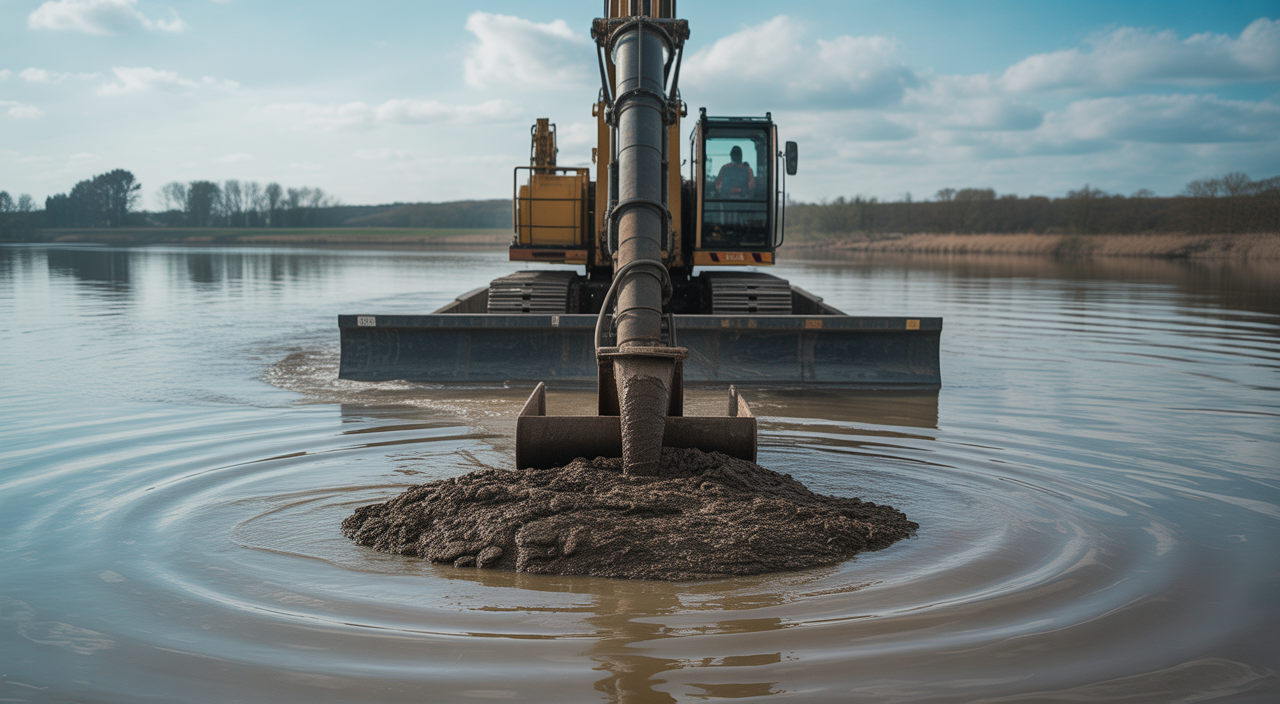
Have you ever wondered how to maintain the health of lakes, ponds, or industrial lagoons? One crucial method is sludge dredge. It’s a process that removes accumulated sludge, which can cause serious problems if left unchecked. This article will walk you through everything you need to know about it, from what sludge is to how it’s removed and why it’s so important.
Think of sludge as the gunk that settles at the bottom of a water body or tank. It’s a mix of organic matter, sediment, and pollutants. Over time, this buildup can reduce capacity. It degrades water quality, and pose environmental risks. That’s where targeted removal comes in, offering a way to restore balance and health to these vital environments.
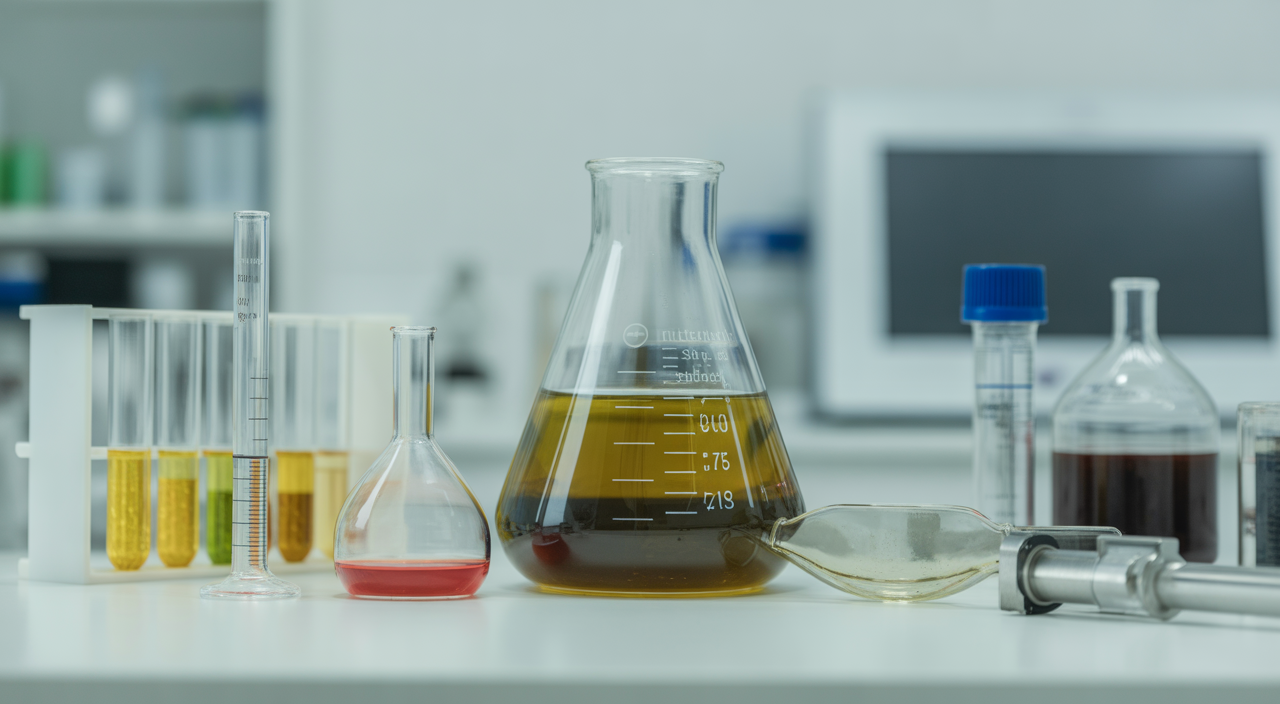
This guide will explain the different methods and equipment used for sludge removal, helping you understand which approach is best for your specific needs. We’ll also explore environmental considerations and regulations to ensure responsible and sustainable practices. Let’s dive in!
What Exactly is Sludge?
Sludge is more than just mud; it’s a complex mixture. It usually contains organic matter like decaying leaves and algae, inorganic sediments like sand and silt, and various pollutants from industrial or agricultural runoff. Understanding the composition of sludge is the first step in tackling the challenge of its removal.
Sludge originates from various sources. In wastewater treatment plants, it’s a byproduct of the treatment process. In agricultural settings, it can come from manure lagoons. Industrial facilities often deal with sludge from manufacturing processes. No matter the source, if left unmanaged, it leads to significant problems.
The negative impacts of sludge buildup are far-reaching. It reduces the storage capacity of water bodies, impacting their ability to handle water flow. It degrades water quality, harming aquatic life and potentially contaminating drinking water sources. Sludge can also release harmful gases and create unpleasant odors, affecting nearby communities. For more about water quality, read about understanding detox.
Why is Sludge Dredging So Important?
Removing sludge offers several key benefits. It improves water quality by eliminating pollutants and reducing the risk of contamination. It restores storage capacity, allowing water bodies and tanks to function efficiently. It minimizes environmental risks, preventing the release of harmful substances.
Dredging helps in complying with environmental regulations. Many regions have strict rules regarding sludge management and disposal. Regular sludge removal ensures that facilities meet these standards and avoid penalties. It also reduces odors and the visual impact, making the environment more pleasant.
Failing to dredge sludge can lead to severe consequences. Reduced capacity can cause overflows and flooding during heavy rains. Poor water quality can harm aquatic ecosystems and endanger public health. Unmanaged sludge can also lead to costly remediation efforts down the line. Proactive sludge management is always the most cost-effective strategy.
Exploring Sludge Dredging Methods and Equipment
There are several methods for removing sludge, each with its own set of equipment and techniques. The best method depends on the specific characteristics of the sludge, the environment, and the project budget. Let’s explore some of the most common approaches.
- Hydraulic Dredging: This method uses a cutterhead to break up the sludge and a suction pump to transport it to a disposal site. It’s effective for removing large volumes of sludge and can be used in a variety of water depths. Hydraulic dredges are often equipped with advanced positioning systems for precise removal.
- Mechanical Dredging: This involves using mechanical equipment like draglines and clamshells to scoop up the sludge and deposit it into barges or trucks. While it can handle tougher materials, it may disturb the surrounding environment more than hydraulic dredging.
- Auger Dredging: Auger dredges use a rotating screw to collect and remove sludge. They are particularly effective in confined spaces and can operate with minimal disturbance to the surrounding water. This method is often used in sensitive environments where minimizing turbidity is essential.
Choosing the right method is crucial for a successful project. Factors to consider include the type of sludge, the depth of the water, environmental sensitivities, and budget constraints. For example, hydraulic dredging is often preferred for large-scale projects in open water, while auger dredging is better suited for smaller, more sensitive areas. Mud Cat offers a range of hydraulic dredge solutions tailored to different needs. Their equipment is designed for efficient and environmentally responsible sludge removal. Visit their website to explore their sludge dredge options.
Environmental Considerations for Sludge Dredging
Sludge dredging can have environmental impacts, such as disturbing sediments and potentially releasing pollutants. However, these impacts can be minimized through careful planning and best practices. It is important to use silt curtains to contain sediments and prevent them from spreading.
Following environmental regulations is essential. Many regions have specific permitting requirements for dredging projects. These regulations aim to protect water quality and minimize harm to aquatic ecosystems. Working with experienced professionals who understand these regulations is critical for ensuring compliance.
Sustainable practices are becoming increasingly important in sludge dredging. This includes using environmentally friendly equipment, minimizing water usage, and properly managing the dredged material. The goal is to remove sludge effectively while minimizing any negative impacts on the surrounding environment. You can also check out industrial waste recycling.
Sludge Dewatering and Disposal
After dredging, the sludge typically needs to be dewatered to reduce its volume and make it easier to handle. Dewatering involves separating the solids from the water. There are several methods for dewatering sludge, each with its own advantages and disadvantages.
Common dewatering methods include centrifugation, belt filter presses, and drying beds. Centrifugation uses high-speed rotation to separate solids from liquids. Belt filter presses use a series of belts to squeeze water out of the sludge. Drying beds rely on natural evaporation to reduce the water content. The choice of dewatering method depends on factors like sludge type, volume, and disposal options.
Sludge disposal options include land application, landfill disposal, and incineration. Land application involves spreading the dewatered sludge on agricultural land as a fertilizer. Landfill disposal involves burying the sludge in a specially designed landfill. Incineration involves burning the sludge to reduce its volume and destroy any pathogens. Each disposal method has its own environmental and economic considerations.
FAQ About Sludge Dredging
Q: How often should I dredge my pond or lagoon?
A: The frequency of dredging depends on the rate of sludge accumulation. Regular monitoring and testing can help determine when dredging is necessary. Generally, ponds and lagoons should be dredged every 5-10 years.
Q: What is the cost of sludge dredging?
A: The cost of sludge dredging varies depending on factors like the volume of sludge, the dredging method, and the disposal options. It’s best to get a professional assessment and quote for your specific project.

Althea Carter is an aspiring writer and storyteller from Kentucky. Her passion for literature and storytelling began at a young age, and now she is an avid blogger and author, sharing her experiences and stories with readers from around the world. When she’s not creating content for her blog, Althea loves nothing more than exploring the complexities of the human experience through theatre, reading, painting, and travelling. She hopes her words and art can inspire others to create, explore, and experience the world around them.