
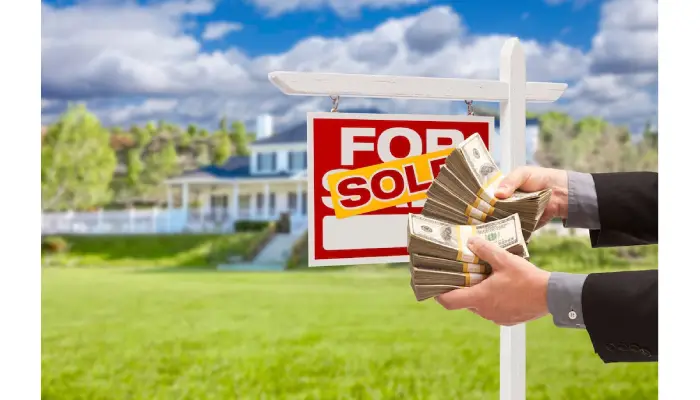
Selling your land without a realtor can save you a good chunk of money on commissions, but it comes with its own set of challenges. First, you’ll want to accurately determine your land’s value by checking county records and comparing recent sales in the area. Timing matters too; spring and summer usually bring more buyers, yet selling in fall or winter might speed up the process due to less competition. Prepare your property by clearing it and marking boundaries clearly. Marketing is key: use both online platforms and local advertising to attract interest. Finally, be ready to handle inquiries professionally, negotiate offers carefully, and manage all legal paperwork with help from experts when needed.
Benefits and Challenges of Selling Land Without a Realtor
Sell your land without a realtor can save you a significant amount of money since commission fees usually range from 5% to 8% of the sale price. This means more profit stays in your pocket. You also get full control over the entire process, including setting the price, choosing how to market the property, and negotiating directly with buyers. However, selling land is not as straightforward as selling a home. Land comes with unique complexities such as zoning regulations, mineral rights, and access issues that require specialized knowledge. Without a realtor, you’re responsible for understanding these factors and ensuring legal compliance.
Handling everything yourself demands a good deal of time and effort, from marketing and responding to inquiries to handling all the legal paperwork and negotiations. Strong negotiation skills are essential to manage offers and counteroffers effectively, and patience is needed since land sales often take longer due to a smaller buyer pool. You also have to be vigilant about identifying serious buyers, verifying their financial ability, and avoiding scams.
To price and market your land properly, you need to be familiar with local market trends and zoning laws. Staying organized and proactive is key; promptly responding to buyer questions helps maintain interest. While selling without a realtor offers freedom and savings, it also means you bear full responsibility for legal disclosures, contracts, and closing details to prevent future disputes.

How to Accurately Determine Your Land’s Value?
Start by reviewing your county assessor’s records to find the current tax valuation and recent sales of similar land in your area. These records offer a baseline but may not reflect true market value, so consult land appraisers or brokers who specialize in land for a Comparative Market Analysis. This helps establish a realistic price range based on local market conditions. Additionally, explore online land marketplaces to compare asking and selling prices of parcels similar in size, location, and features. When evaluating your land, consider location factors such as proximity to roads, cities, schools, and availability of utilities like water, electricity, and sewage, as these heavily influence value. The land’s shape, acreage, topography, and access points matter too, irregular shapes or difficult access can lower its appeal. Zoning restrictions and permitted uses also impact what buyers are willing to pay, so understand local regulations beforehand. Don’t forget to include natural features like scenic views, vegetation, water bodies, or mineral rights, which can add value or require disclosure. Before setting a price, calculate pre-sale expenses including surveys, environmental tests, clearing costs, and closing fees to understand your net proceeds. Price your land competitively based on this thorough research to attract serious buyers; overpricing often leads to longer time on the market and fewer offers. If your property remains unsold after a reasonable period, be ready to adjust your pricing strategy to better align with buyer interest and market trends.
Best Times of Year to Sell Your Land
Spring and summer are generally the best times to sell land because more buyers are active during these months. The warmer weather makes it easier for buyers to visit properties and imagine their potential, often leading to better offers. Demand tends to peak in these seasons, which can allow sellers to ask for higher prices. However, selling in fall or winter isn’t always a disadvantage. While there may be fewer buyers, there is often less competition from other sellers, which can sometimes result in quicker sales. It’s important to consider your own financial timeline and current market conditions before deciding when to list. Local market cycles can vary widely, so researching seasonal trends specific to your area is key. For example, if your land is suitable for farming, aligning the sale with planting or harvest times can make the property more attractive to agricultural buyers. Avoid listing during major holidays or periods of extreme weather when buyer attention is low. Starting your marketing efforts early, before the peak season, can help build interest and generate leads. Keep an eye on local economic factors like new development projects or zoning changes, as these can influence buyer demand at certain times. Finally, remain flexible, sometimes motivated buyers appear outside typical selling seasons, and being open to timing adjustments can help close the deal.
Steps to Prepare Your Land for Sale
Start by clearing your land of any trash, debris, and excessive brush to create a cleaner, more inviting space. This helps buyers see the full potential and makes the property easier to access. Next, clearly mark the property boundaries using stakes, flags, fences, or a professional survey. Proper boundary marking prevents confusion and builds buyer confidence. If your budget allows, consider minor improvements like repairing or adding driveways, clearing access paths, or installing basic utilities to enhance usability. Address any environmental concerns upfront, such as soil contamination or water quality issues, to avoid delays during the buyer’s due diligence. Organize all necessary legal documents, including the deed, property survey, tax records, and any environmental reports. Running a title search is crucial to confirm you have clear ownership and to identify any liens or easements that need resolution before selling. Create a detailed property description that covers zoning, permitted uses, acreage, and access points, this information helps buyers understand what they’re purchasing. Take high-quality photos and videos, including drone shots if possible, to capture the terrain, boundaries, and special features of your land. Remove any unauthorized structures or leftover debris that might lower the property’s perceived value or complicate the sale process. Finally, ensure there is easy and safe access for potential buyers who want to visit the site, whether by improving existing roads or adding clear signage. These steps prepare your land to make a strong impression and smooth the path to a successful sale.
Effective Offline and Online Marketing Strategies
To sell your land without a realtor, using a mix of offline and online marketing strategies is key to reaching the right buyers. Start by placing professional “For Sale by Owner” signs with clear contact details on or near the property to catch the attention of local passersby. Complement this with ads in local newspapers, real estate magazines, and community bulletin boards, which can target buyers in your area who prefer traditional media. Networking is also valuable, talk to neighbors, friends, and local land agents who might know potential buyers. Attending local events or land auctions to hand out flyers or brochures can further increase your exposure.
Online marketing is equally important. List your property on specialized land marketplaces, where serious land buyers often search. To widen your audience, use general real estate platforms. Make sure your listings include high-quality photos and videos to showcase the terrain, boundaries, and unique features of the land; drone footage is especially effective at giving a clear perspective of the property. Write compelling descriptions highlighting zoning, access points, potential uses (like residential, agricultural, or development), and any available utilities.
Maintaining an active social media presence helps keep your listing visible and lets you engage directly with interested buyers. Respond quickly to inquiries and update your listings regularly to reflect any changes or price adjustments. This combination of offline visibility and targeted online advertising will maximize your chances of attracting serious buyers and selling your land successfully on your own.
- Place professional “For Sale by Owner” signs with clear contact information on or near the property for local visibility.
- Advertise in local newspapers, real estate magazines, and community bulletin boards to reach nearby buyers.
- Network with neighbors, friends, and local land agents who may know interested buyers.
- Attend local events or land auctions to distribute brochures or flyers and gain exposure.
- List the land on specialized online marketplaces to target serious buyers.
- Use general real estate platforms.
- Include high-quality photos and videos that show the terrain, boundaries, and unique features; drone footage is especially effective.
- Write compelling listings that highlight zoning, access, potential uses (residential, agricultural, development), and any utilities.
- Maintain an active social media presence with posts and responses to engage prospects and increase visibility.
- Respond promptly to inquiries and keep listings updated to reflect any changes or price adjustments.
Managing Buyer Inquiries and Negotiating Offers
Responding to buyer inquiries quickly and professionally helps maintain interest and builds trust. When potential buyers reach out, ask key questions to pre-qualify them, such as their intended use for the land, previous experience with land purchases, and whether they have proof of funds or financing. This step ensures you focus your time on serious buyers. Schedule property visits only with those who demonstrate genuine interest and readiness to proceed, which keeps your time use efficient. Keep all communications, especially offers and counteroffers, in writing whenever possible to maintain a clear record. When you receive offers, evaluate them carefully by comparing price, contingencies, closing timelines, and payment terms. Negotiations should be objective: be open to adjusting price or terms but avoid making decisions based on emotion that could cost you. Setting clear deadlines for offers and responses helps keep the process moving smoothly. Maintain a polite but firm tone during negotiations to encourage fairness and prevent misunderstandings. Be cautious of scams by verifying buyer identities and financial capabilities before moving forward. It’s often wise to involve a real estate attorney to review offers and assist with contract negotiations, ensuring your interests are protected and legal requirements are met.
Legal Paperwork and Contract Essentials
When selling your land without a realtor, having proper legal paperwork is crucial to protect both you and the buyer. Start with a legally binding Purchase Agreement that clearly includes the property’s legal description, sale price, and the amount of earnest money deposit. This contract should also specify important dates such as possession and closing to prevent any misunderstandings. It’s wise to include contingencies like inspections, financing approval, or environmental assessments to give both parties a way out if conditions aren’t met. You must disclose all known details about the property, including any easements, mineral rights, restrictions, or defects as required by law. To avoid costly mistakes, engage a real estate attorney or a title company to review and tailor the contract to your specific situation. Before closing, conduct a final title search to ensure the land’s title is free from liens, mortgages, or back taxes, and make sure these debts are paid off. Using escrow services helps protect funds by securely holding the buyer’s payment until all contract terms are met. Also, clarify in the contract who will handle closing costs and any prorated taxes or fees. Keep copies of every signed document, correspondence, and payment record for your files. Taking these steps helps ensure a smooth, legally sound transaction when selling your land independently.
How to Close the Sale Smoothly?
To close your land sale smoothly, start by coordinating with the buyer’s lender (if they have one) and the title company to set a clear closing date. Make sure all parties agree on the timeline to avoid last-minute delays. Before the closing day, carefully review every document you’ll be signing to ensure the details are accurate and nothing is missing. Double-check the wire transfer instructions and payment details with the buyer to prevent any errors or potential fraud. On closing day, conduct a final walkthrough with the buyer to address any remaining concerns and hand over keys, gate codes, or access information. After signing, get confirmation that the deed has been recorded and funds have been transferred. It’s important to follow up with the county recorder’s office to verify the deed is properly recorded in your name. Don’t forget to cancel any automatic payments or services linked to the property once the sale is complete. Keep communication open with the buyer and professionals involved until everything is finalized, and retain all closing paperwork and receipts for your records and tax purposes. This careful attention to detail helps ensure the process finishes without surprises or complications.
Understanding Tax Responsibilities When Selling Land
When selling land, it’s important to understand the tax responsibilities involved to avoid surprises after closing. If you owned the property for more than one year, the sale may trigger long-term capital gains tax, which is generally lower than ordinary income tax rates but varies depending on your income bracket. The capital gain is calculated as the difference between the sale price and your tax basis, which includes your original purchase price plus any improvements and closing costs. If you held the land for less than a year, the sale is subject to short-term capital gains tax, typically taxed at higher ordinary income rates. To manage this effectively, keep detailed records of all costs related to the purchase, any improvements made, and expenses incurred during the sale, as these will support your tax filings and may reduce your taxable gain. Consider consulting a tax professional to identify any exemptions, deductions, or special rules applicable to your situation. For example, if you plan to reinvest the proceeds into a similar type of property, a 1031 exchange might allow you to defer paying capital gains tax. Also, don’t forget to check state and local tax requirements, as these can apply separately from federal taxes. Make sure to report the sale accurately on IRS forms and pay any taxes owed promptly to avoid penalties. Planning your tax payments ahead of time helps manage cash flow after the sale and ensures a smoother financial transition.
Tips to Speed Up the Sale and Get the Best Price
Pricing your land competitively but realistically is key to attracting qualified buyers quickly. Use thorough market research to set a price that reflects current trends and comparable sales in your area. Highlight unique features in your listing, such as location advantages, development potential, or access to utilities, to make your property stand out. Offering owner financing can also broaden your buyer pool by appealing to those who may not qualify for traditional loans. Providing all relevant documents upfront, like surveys and environmental reports, helps reduce buyer hesitation and speeds up decision-making. Flexibility with closing dates and possession terms can accommodate buyer needs and encourage faster offers. Using phrases like “motivated seller” in your listings signals readiness to negotiate, attracting serious inquiries. Responding promptly to all questions and scheduling showings quickly keeps buyer interest high. Setting up automated responses or FAQ pages can efficiently answer common questions and filter serious buyers. Professional photography and virtual tours add appeal and help reach remote prospects. Lastly, regularly updating and refreshing your listing keeps it visible on online platforms and search engines, maintaining steady traffic and increasing your chances of a timely sale at a good price.
Frequently Asked Questions
1. How can I legally transfer ownership of my land without a realtor?
To transfer ownership legally, you need to prepare a deed that conveys your land to the buyer, have it properly signed and notarized, and then file it with your county’s land records office. It’s a good idea to consult a real estate attorney to make sure all paperwork is correct and binding.
2. What steps should I take to market my land effectively on my own?
Start by taking clear photos and creating a detailed description of your land’s features and benefits. List your property on popular real estate websites and local classifieds, use social media for reach, and consider posting signs directly on the land. Being responsive to inquiries and providing detailed information helps build trust with buyers.
3. How do I handle the title search and make sure the land is free from liens or legal issues?
You can order a title search from a title company or a real estate attorney. This search will reveal any liens, claims, or restrictions affecting the land. It’s important to address any issues before selling to avoid surprises during closing and to ensure the buyer receives a clean title.
4. What paperwork is necessary for selling land without involving a realtor?
You’ll generally need a signed purchase agreement, the deed to transfer ownership, a disclosure statement about the property’s condition, and any local forms required by your county or state. Also, prepare documents related to the land’s zoning and utility access if applicable. A real estate lawyer can help you gather and prepare these documents.
5. How can I safely verify the buyer’s identity and financial capability without a realtor?
Ask the buyer for a government-issued ID to confirm their identity. For financial capability, request proof of funds such as bank statements or a pre-approval letter from a lender. You might also work with a title company or attorney during closing to verify funds and handle the transaction securely.
TL;DR Selling your land without a realtor can save you commission fees and give you full control, but it requires time, effort, and some know-how. Start by accurately valuing your land using county data and professional input, then choose the best season to sell. Prepare your property by cleaning it up, marking boundaries, and gathering legal docs. Market widely both offline and online with clear, compelling listings. Stay responsive, screen buyers carefully, and handle negotiations professionally. Use proper contracts and get legal help for closing paperwork to ensure everything’s legit. Understand the tax implications and consider strategies like owner financing to speed up the sale and get the best price. With patience and the right approach, you can successfully sell your land on your own.

Althea Carter is an aspiring writer and storyteller from Kentucky. Her passion for literature and storytelling began at a young age, and now she is an avid blogger and author, sharing her experiences and stories with readers from around the world. When she’s not creating content for her blog, Althea loves nothing more than exploring the complexities of the human experience through theatre, reading, painting, and travelling. She hopes her words and art can inspire others to create, explore, and experience the world around them.