
Making organic Indian snacks at home can be a delightful experience, especially when focusing on traditional recipes. Start with the delicious Murukku varieties like Mullu Murukku or Kai Murukku, which are both crunchy and savory. Using organic rice flour and urad dal flour is key for quality. Begin by roasting urad dal, mixing it into a dough with spices and hot oil. For an easy Pottukadalai Murukku, combine pottukadalai powder with rice flour for a unique texture. Don’t forget about Chakli; it’s equally scrumptious! Experimenting in your kitchen connects you to cultural traditions while enjoying authentic flavors that everyone will love!
Overview of Organic Indian Snacks
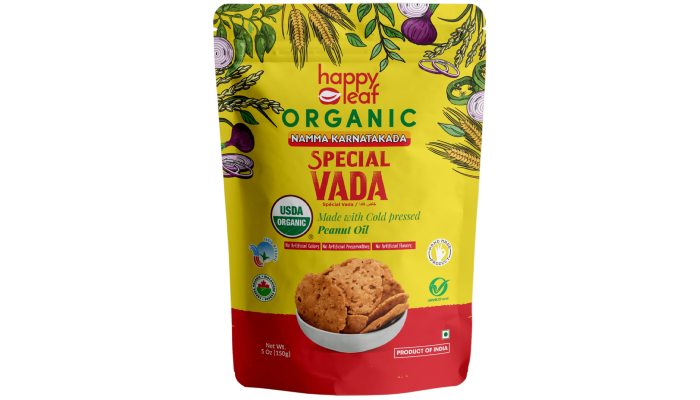
Organic Indian snacks bring a delightful blend of taste and health right to your kitchen. House of Happy Leaf is at the forefront of this movement, specializing in premium organic snacks that celebrate traditional South Indian flavors. As the world’s first certified organic provider of Telugu and Tamil snacks, they emphasize authentic recipes and high-quality standards, ensuring that every bite is not just delicious but also wholesome. Making these snacks at home allows you to take charge of your ingredients, ensuring they are organic and tailored to your taste. Popular choices like Murukku and rice-based snacks are not only easy to prepare but also hold significant cultural importance, often enjoyed during festivals and gatherings. With the rising demand for healthier snack options, understanding how to create these organic delights opens up a world of culinary creativity while keeping your family nourished.
Exploring Traditional South Indian Snacks
South Indian snacks are a delightful journey into unique flavors and textures that capture the essence of the region’s culinary heritage. One of the most beloved snacks is Murukku, a crispy treat made from rice flour and lentil flour, often enjoyed at festivals and gatherings. Its diverse varieties, such as Mullu Murukku and Ring Murukku, cater to different tastes, making it a versatile favorite. These snacks are not only light and easy to digest but also packed with local spices and herbs that elevate their taste. Traditional recipes, often passed down through generations, reflect the rich culture of South India, where snacks frequently accompany a steaming cup of tea or coffee. The preparation methods for these snacks vary by region, adding to the richness of the cuisine. Plus, many South Indian snacks are gluten-free, appealing to a broader audience, while the use of organic ingredients enhances their health benefits, allowing you to enjoy these treats guilt-free.
Diving into Murukku Varieties
Murukku is a delightful snack that comes in various shapes and flavors, each with its own unique allure. Mullu Murukku stands out with its spiral shape and crispy texture, making it a favorite at festive celebrations. Then there’s Ring Murukku, offering a fun, easy-to-snack-on shape that’s perfect for sharing. Kai Murukku is a testament to skill and tradition, shaped by hand to showcase artistry. Thenkuzhal, on the other hand, boasts a distinct taste and texture that adds a classic touch to any snack table. The beauty of these varieties lies not just in their shapes but also in their flavors, which can be personalized with different spices. Whether enjoyed plain or paired with chutneys, Murukku is an irresistible treat. Achieving the perfect crispness is all about the frying technique, so pay close attention! Not only are these snacks delicious, but they can also be made in bulk and stored, allowing you to enjoy them later. So, roll up your sleeves and dive into the world of Murukku!
How to Make Mullu Murukku?
Making Mullu Murukku at home is a delightful experience that brings the authentic taste of South Indian snacks to your kitchen. Start with high-quality, organic rice flour for the best results; this forms the base of your Murukku. To enhance the flavor, roast ¼ cup of urad dal until it turns golden brown, then grind it into a fine powder. Combine this urad dal flour with rice flour in a bowl, adding spices such as carom seeds, red chili powder, sesame seeds, and salt to create a savory blend.
Don’t forget to pour in a tablespoon of hot oil while mixing the dry ingredients. This hot oil helps the dough maintain a crispy texture when fried. Kneading is essential, work the mixture until it forms a soft, non-sticky dough. Shaping the Murukku can take a bit of practice, so using a Murukku maker or piping bag will simplify the process.
Before frying, test the oil temperature by dropping a small piece of dough into the hot oil; if it rises to the surface quickly, the oil is ready. Fry the shaped Murukku until they turn golden brown for that perfect crunch. Once fried, let them drain on paper towels to remove any excess oil. To keep them fresh, store your Murukku in airtight containers. Feel free to experiment with spices, like adding a hint of garlic or cumin, to create unique flavor profiles that suit your taste!
Making Ring Murukku at Home
Making Ring Murukku is a delightful way to bring fun shapes to your snack table, appealing to both kids and adults alike. Start by preparing a dough similar to Mullu Murukku, ensuring it’s soft and pliable for easy shaping. The process begins with mixing rice flour and urad dal flour, then adding spices like carom seeds and salt for flavor. Don’t forget to incorporate hot oil into the mix, which helps achieve the right texture. Once your dough is ready, it’s time to get creative! Shape the dough into rings, giving them a unique presentation that stands out on any snack platter. Fry the rings in hot oil until they turn golden brown and crispy. After frying, allow them to cool completely before storing them in an airtight container to maintain their freshness and crunch. You can enjoy Ring Murukku plain or pair it with your favorite chutney for an extra kick. For a delightful twist, consider adding sesame seeds or experimenting with different spices to create your own exciting variations. These rings can be a fantastic addition to gatherings, making them not just a snack, but a fun experience.
Kai Murukku Recipe to Try
Kai Murukku is a delightful traditional Indian snack that showcases the artistry of hand shaping. The joy of making this crispy treat lies in using a mix of rice flour and urad dal flour, which gives it a unique texture and taste. To start, prepare your dough by combining these flours with spices like carom seeds and red chili powder, ensuring it’s soft yet firm enough to hold its shape when molded. Shaping Kai Murukku requires a bit of practice; each piece can turn out a bit different, reflecting your individual touch. Once shaped, fry them in hot oil until they turn golden brown and crispy, creating that perfect crunch that everyone loves. These snacks are versatile too, as they can be enjoyed on their own or paired with a variety of dips. Feel free to experiment with different spices to create exciting new flavors that will surprise your taste buds. Kai Murukku is often a hit at gatherings and makes for a fantastic snack option for school lunches or quick bites at home. To keep them fresh for longer, store your crispy treats in airtight containers, ensuring they retain their delightful crunch.
Thenkuzhal: A Classic Snack
Thenkuzhal is a beloved traditional snack found in many South Indian homes, cherished for its delightful crunch and light texture. Made primarily from rice flour and urad dal flour, this snack is not just tasty but also addictive. The key to achieving that perfect crispy bite lies in the frying process, where the right temperature ensures each piece turns golden and light. To shape Thenkuzhal, a special Murukku maker is often used, allowing you to create beautiful spirals that are a feast for the eyes.
For an extra layer of flavor, consider adding spices like ajwain (carom seeds) or sesame seeds to the dough. These not only enhance the taste but also provide a delightful aroma while frying. Thenkuzhal pairs beautifully with a variety of chutneys and dips, making it a versatile snack for any occasion. It’s particularly popular during festivals and special gatherings, perfect for sharing with family and friends. If you’re planning to make some, consider whipping up a larger batch so you can enjoy this crispy delight over time!
Creating Rice-Based Snacks
Rice flour is a fantastic ingredient that opens the door to a world of delightful Indian snacks. Naturally gluten-free, rice-based treats cater to various dietary needs, making them a popular choice for health-conscious snackers. These snacks are not only light and healthy but also incredibly versatile, allowing you to customize flavors and spices according to your taste. You can mix in different lentils or legumes to boost nutritional value, giving your snacks an extra health kick.
Whether you’re preparing crispy Murukku or savory Chakli, the fun doesn’t stop at flavor. You can shape these rice-based snacks into various forms for a playful presentation that’s sure to impress. Add fresh herbs to elevate the aroma and flavor, creating a sensory experience that excites the palate. Plus, these snacks are perfect for bulk preparation. Make large batches and store them for quick bites or as delicious accompaniments to meals. With endless possibilities for seasoning and shaping, creating rice-based snacks at home is not just cooking; it’s a fun culinary adventure!
Pottukadalai Murukku Recipe
Pottukadalai Murukku is a delightful snack that combines the unique flavor of roasted gram with the crunch of rice flour. Start by roasting ¼ cup of urad dal until golden brown, then grind it into a fine powder. This step enhances the taste and adds depth to your Murukku. For the dough, mix 1¼ cups of rice flour with ¼ cup of pottukadalai powder, along with spices like ajwain and hot oil. Gradually add water until the dough is smooth and pliable, making it easy to shape. Using a Murukku maker ensures your snacks come out in perfect spirals every time. Fry them in hot oil, keeping an eye out for that beautiful golden color and crispiness. Once done, drain them on paper towels to remove excess oil. Store your Pottukadalai Murukku in airtight containers to keep them fresh, and enjoy them anytime as a tasty snack. Feel free to experiment with spices; adding a hint of chili powder or sesame seeds can create exciting new flavor profiles!
Crafting Perfect Chakli
Chakli is a beloved Indian snack that boasts a delightful spiral shape, making it not just tasty but visually appealing too. To achieve that unique flavor and texture, combine rice flour with besan (gram flour). This blend creates a perfect balance that is both crispy and satisfying. Adding ghee or oil into the dough enriches the flavor, making each bite a treat. The key to success lies in measuring the water correctly; it should be just enough to form a soft, non-sticky dough.
Using a Chakli maker is a game changer, as it allows you to effortlessly shape the dough into those iconic spirals. When frying, keep an eye on the oil temperature; it should be hot enough for the Chakli to puff up and turn golden brown, achieving that perfect crunch. Once they are fried, let the Chakli cool before storing them in an airtight container to maintain their crispiness.
Chakli can be enjoyed on its own or paired with a variety of dips, making it versatile for any occasion, be it a festive celebration or a casual snack time. Feel free to experiment with spices like sesame seeds or ajwain to create your own unique flavor profiles. Each batch can be a little different, adding excitement to this traditional snack.
House of Happy Leaf: A Premium Organic Brand
House of Happy Leaf stands out as a pioneer in the realm of organic South Indian snacks, dedicated to maintaining the highest quality standards. They proudly hold the title of being the first certified organic provider of traditional Telugu and Tamil snacks, which showcases their commitment to authenticity. Every snack they offer is crafted using natural ingredients, free from additives and preservatives, ensuring a wholesome experience for consumers. By promoting sustainable farming practices, House of Happy Leaf not only supports local farmers but also contributes to the environment. They cater to a diverse audience with a variety of snacks, including gluten-free options, making it easier for everyone to enjoy delicious treats. Their emphasis on traditional recipes, passed down through generations, adds a rich cultural layer to their snacks, connecting customers with their heritage. The brand actively engages in community events and workshops to advocate for healthy eating, encouraging families to embrace organic cooking at home. Transparency is key for House of Happy Leaf, as they strive to clearly communicate their sourcing and production processes. Additionally, their eco-friendly packaging demonstrates a commitment to minimizing environmental impact, making every snack choice a step towards a healthier planet.
Quality Ingredients for Homemade Snacks
Choosing the right ingredients is vital for creating delicious organic Indian snacks at home. Start with organic rice flour for a lighter, fluffier texture in your snacks. Fresh, high-quality spices will elevate the flavor, so don’t hesitate to pick up some whole spices and grind them yourself for that authentic taste. Whenever possible, incorporate locally sourced ingredients. This not only supports local farmers but also ensures that your ingredients are fresh and bursting with flavor. When frying, opt for non-GMO oils to maintain the integrity of your snacks.
All flours, like urad dal and besan, should be finely ground to achieve the best dough consistency. If you’re feeling adventurous, experiment with alternative grains such as millet or quinoa for unique snack variations that are both tasty and nutritious. Adding natural flavor enhancers, like fresh herbs or a hint of citrus zest, can make a world of difference. Also, steer clear of artificial colors and flavors to keep your snacks wholesome and healthy.
Consider different types of salt, such as sea salt or Himalayan pink salt, to create unique taste profiles. Lastly, pay attention to your storage methods to keep your ingredients fresh and flavorful, ensuring that each batch of snacks is as delightful as the last. With these quality ingredients, your homemade snacks will not only be healthier but also incredibly satisfying.
- Select organic rice flour for a lighter, fluffier texture in snacks.
- Use fresh, high-quality spices for enhanced flavor profiles.
- Incorporate locally sourced ingredients to support farmers and ensure freshness.
- Choose non-GMO oils for frying to maintain snack integrity.
- Ensure all flours, like urad dal and besan, are finely ground for better dough consistency.
- Explore using alternative grains for unique snack variations, such as millet or quinoa.
- Add natural flavor enhancers like fresh herbs or citrus zest.
- Avoid artificial colors and flavors to keep snacks wholesome and healthy.
- Experiment with different types of salt, including sea salt or Himalayan pink salt, for unique taste.
- Pay attention to storage methods to keep ingredients fresh and flavorful.
Cultural Significance of South Indian Snacks
South Indian snacks hold a special place in the hearts of many, often bringing families together during festivals and celebrations. Take Murukku and Chakli, for instance; these delightful snacks are staples during Diwali and other festive occasions, symbolizing joy and prosperity. Each region in South India boasts its own unique flavors and cooking techniques, showcasing the incredible diversity of the area. These snacks are not merely delicious treats, but they also play vital roles in cultural rituals, frequently offered as prasad in temples. The preparation of traditional snacks is considered an art form, passed down through generations, ensuring that the craftsmanship is preserved. Sharing these snacks is a social activity, fostering community bonds and creating shared experiences among friends and family. The vibrant colors and intricate shapes of these snacks reflect the spirit of celebration, while their inclusion in meals enhances overall flavor and texture. For many South Indian families, these snacks are a source of pride and identity. Interestingly, modern interpretations of these traditional treats allow for the preservation of cultural heritage while adapting to contemporary tastes.
Frequently Asked Questions
What are some easy organic ingredients I can use to make Indian snacks at home?
You can use ingredients like chickpea flour (besan), whole wheat flour, lentils, spices like cumin and coriander, as well as fresh herbs such as cilantro. Have fun experimenting with nuts and seeds too!
How can I make my snacks healthier without losing flavor?
Try baking or air frying instead of deep frying, reduce the amount of oil, and use spices generously for flavor. You can also incorporate vegetables into your snacks for extra nutrition!
Are there specific kitchen tools I need for making Indian snacks?
Basic tools will work just fine! A mixing bowl, rolling pin, frying pan or baking tray, and maybe a food processor for grinding flour or making chutneys will cover most needs.
What is the best way to store homemade Indian snacks?
Ensure your snacks are completely cooled before storing them in an airtight container. For longer freshness, you can also keep them in the refrigerator or freeze them.
Can I make Indian snacks in advance for parties or gatherings?
Absolutely! Many snacks can be prepared ahead of time. You can make them a day or two in advance and simply reheat them before serving for a tasty, crowd-pleasing treat!
TL;DR Discover the delightful world of making organic Indian snacks at home, focusing on traditional South Indian treats like Murukku and rice-based snacks. Learn how to create various Murukku varieties including Mullu Murukku, Ring Murukku, and Kai Murukku, along with classic rice snacks like Pottukadalai Murukku and Chakli. Using quality organic ingredients is key to achieving the best flavor and texture, making these snacks not just tasty but also a celebration of culture and heritage.

Althea Carter is an aspiring writer and storyteller from Kentucky. Her passion for literature and storytelling began at a young age, and now she is an avid blogger and author, sharing her experiences and stories with readers from around the world. When she’s not creating content for her blog, Althea loves nothing more than exploring the complexities of the human experience through theatre, reading, painting, and travelling. She hopes her words and art can inspire others to create, explore, and experience the world around them.