
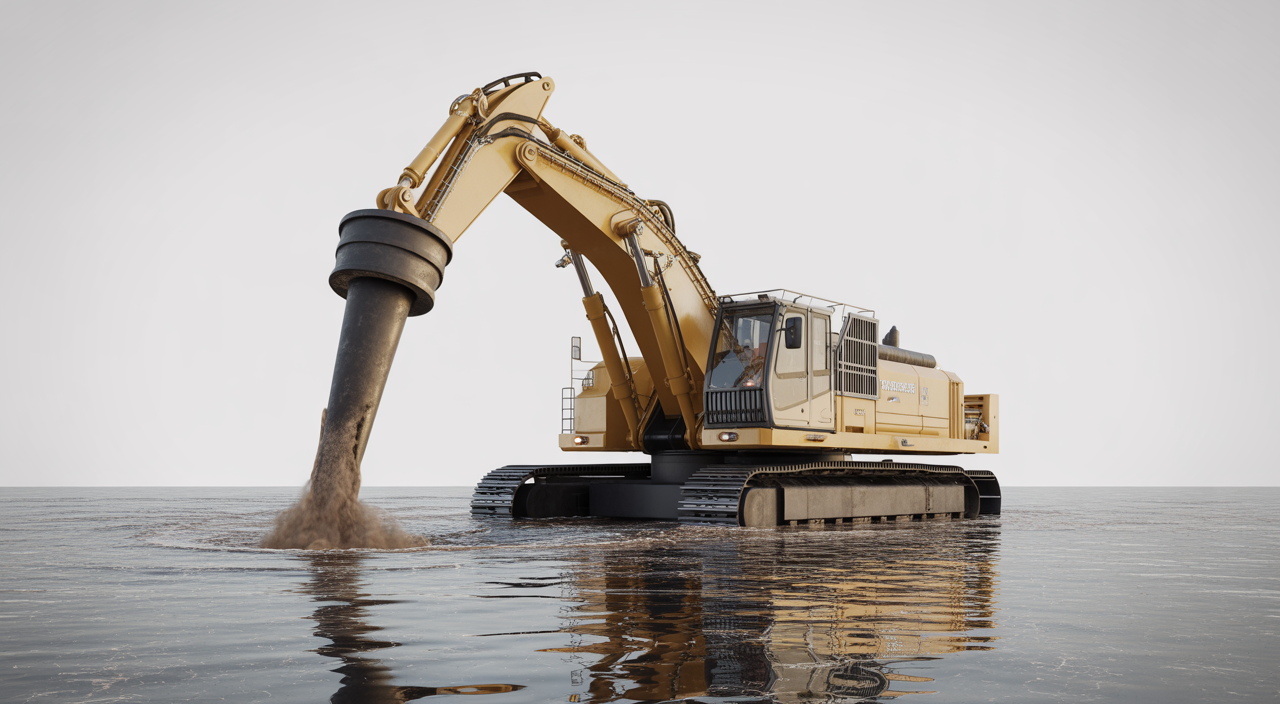
Have you ever wondered how lakes and rivers are kept navigable? Or how mining companies extract resources from underwater deposits? The answer often lies in the powerful capabilities of a hydraulic dredge. These machines are essential for a variety of tasks, from environmental cleanup to large-scale construction projects.
A hydraulic dredge is a type of equipment used to remove sediment and debris from the bottom of bodies of water. Unlike mechanical dredges that use buckets or grabs, hydraulic dredges use suction to remove material. This makes them particularly effective for moving large volumes of sediment over long distances.
Let’s explore what a hydraulic dredge is, how it works, and the many uses it has in today’s world.
How a Hydraulic Dredge Works
The basic principle behind a hydraulic dredge is quite simple. It’s much like a giant underwater vacuum cleaner. Here’s a breakdown of the key steps:
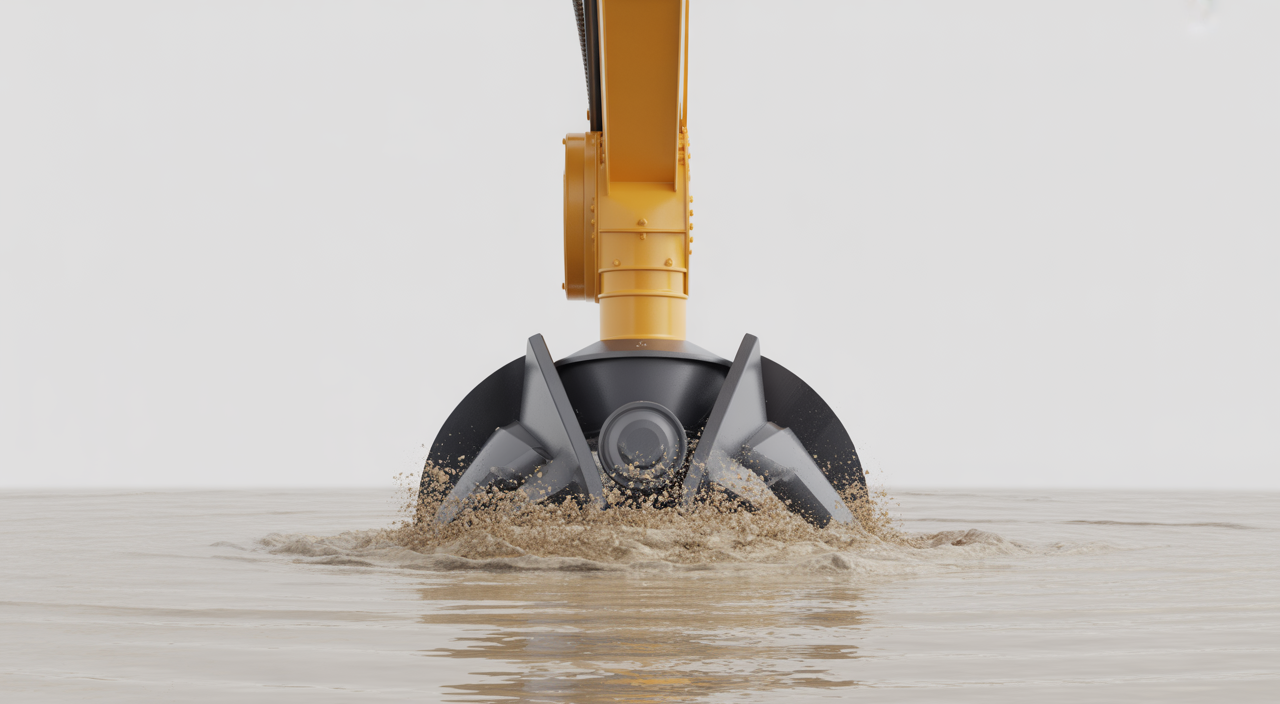
- Cutting or Excavation: The dredge uses a rotating cutterhead to loosen and break up the sediment at the bottom. Some dredges use a water jet to achieve the same effect.
- Suction: A powerful pump creates suction, drawing the loosened sediment and water into an intake pipe.
- Transportation: The mixture of sediment and water, known as slurry, is then pumped through a pipeline to a disposal or processing area.
- Disposal or Processing: The slurry is either deposited in a designated area, like a settling pond, or the sediment is separated from the water for further use.
Types of Hydraulic Dredges
There are several types of hydraulic dredges, each designed for specific applications:
- Cutter Suction Dredges: These are the most common type, using a rotating cutterhead to loosen the material. They are versatile and can handle a wide range of sediment types.
- Trailing Suction Hopper Dredges: These dredges are used in open waters, like oceans and large rivers. They drag a suction pipe along the bottom while moving, collecting sediment into a hopper onboard the dredge.
- Auger Dredges: These use a rotating auger to loosen the sediment, which is then sucked up by a pump. They are often used in shallow waters and for removing fine sediments.
Uses of Hydraulic Dredges
Hydraulic dredges have a wide range of applications, making them indispensable in various industries:
- Maintaining Navigational Channels: Dredging keeps shipping lanes and harbors clear, allowing ships to move safely and efficiently.
- Lake and River Restoration: Dredges remove accumulated sediment and pollutants, improving water quality and restoring aquatic ecosystems, fostering healthier environments for both wildlife and human communities.
- Mining Operations: Dredges are used to extract valuable minerals and resources from underwater deposits.
- Coastal Protection: Dredging can help to replenish eroded beaches and create protective barriers against storms.
- Construction Projects: Dredges are used to prepare foundations for bridges, tunnels, and other underwater structures.
Benefits of Using a Hydraulic Dredge
Why choose a hydraulic dredge over other methods? Here are some key advantages:
- Efficiency: Hydraulic dredges can move large volumes of sediment quickly and efficiently.
- Precision: They can be precisely controlled, allowing for targeted removal of sediment.
- Cost-Effective: For many projects, hydraulic dredging is more cost-effective than mechanical dredging, especially when material needs to be transported over long distances.
- Environmentally Friendly: Modern hydraulic dredges are designed to minimize environmental impact, with features like turbidity curtains and precise dredging techniques.
Hydraulic Dredging in India
In India, hydraulic dredging plays a vital role in maintaining the country’s extensive network of waterways and ports. With a growing economy and increasing trade, the need for efficient and reliable dredging services is greater than ever.
Here are some key applications of hydraulic dredges in India:
- Maintaining Ports and Harbors: Indian ports handle a massive volume of cargo, and regular dredging is essential to keep them operational.
- River Cleaning and Restoration: Efforts to clean and restore rivers like the Ganga and Yamuna rely heavily on hydraulic dredging to remove pollutants and sediment.
- Infrastructural developments: Dredging can help the country’s infrastructure development plans.
- Coastal Erosion Control: With a long coastline, India faces significant challenges from coastal erosion. Hydraulic dredging is used to replenish beaches and protect coastal communities.
Choosing the Right Dredge for Your Project
Selecting the right type of dredge is crucial for the success of any project. Consider the following factors:
- Project Size: How much material needs to be removed?
- Sediment Type: Is it sand, silt, clay, or a mixture?
- Water Depth: How deep is the water at the dredging site?
- Environmental Considerations: Are there sensitive habitats or species that need to be protected?
- Disposal Options: Where will the dredged material be disposed of?
FAQs About Hydraulic Dredges
Q: How much does a hydraulic dredge cost?
A: The cost of a hydraulic dredge can vary widely depending on the size, type, and features. Smaller dredges can cost a few hundred thousand dollars, while larger, more sophisticated dredges can cost millions.
Q: Are hydraulic dredges environmentally friendly?
A: Yes, modern hydraulic dredges are designed to minimize environmental impact. However, it’s essential to implement best practices, such as using turbidity curtains and carefully managing disposal sites, to further reduce any potential harm.

Althea Carter is an aspiring writer and storyteller from Kentucky. Her passion for literature and storytelling began at a young age, and now she is an avid blogger and author, sharing her experiences and stories with readers from around the world. When she’s not creating content for her blog, Althea loves nothing more than exploring the complexities of the human experience through theatre, reading, painting, and travelling. She hopes her words and art can inspire others to create, explore, and experience the world around them.