
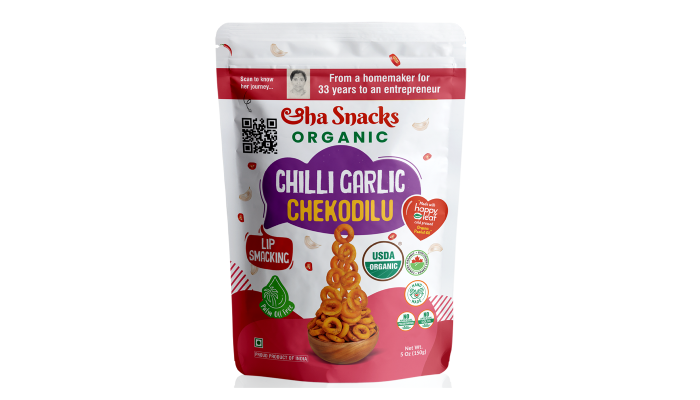
In today’s fast-paced world, snacking has become a daily habit for most of us. Whether it’s to beat mid-day hunger, accompany a cup of chai, or satisfy late-night cravings, snacks are part of our routine. But as we become more aware of what goes into our food, many people are asking an important question — Are our snacks as healthy as they seem?
That’s where Organic Indian snacks come in — combining the authentic taste of traditional India with the goodness of natural, chemical-free ingredients. But what exactly makes these snacks better, and why should you make the switch? Let’s explore.
Understanding the Meaning of “Organic”
Before diving into the benefits, it’s essential to understand what “organic” really means.
Organic foods are grown and processed without using synthetic pesticides, fertilizers, genetically modified organisms (GMOs), or artificial preservatives. In simple terms, organic farming focuses on working with nature, not against it.
When it comes to Organic Indian snacks, it means that the grains, spices, pulses, and oils used to prepare them are sourced from farms that follow sustainable, eco-friendly practices. No harmful chemicals, no hidden additives — just pure, real ingredients.
The Problem with Conventional Snacks
Most popular snacks available in stores today are highly processed. They’re often made with refined flour, artificial flavors, excess salt, and preservatives to enhance taste and shelf life. While these snacks may satisfy your taste buds temporarily, they can lead to long-term health issues such as:
- Digestive problems due to artificial additives and flavoring agents.
- Weight gain from excessive trans fats and refined carbohydrates.
- Low energy levels because processed snacks lack essential nutrients.
- Exposure to harmful residues from pesticide-laden ingredients.
In contrast, Organic Indian snacks offer the same (or better) flavor — without compromising your health.
The Rise of Organic Indian Snacks
Over the last few years, India has witnessed a steady shift toward mindful eating. People are reading labels, questioning ingredients, and choosing healthier alternatives.
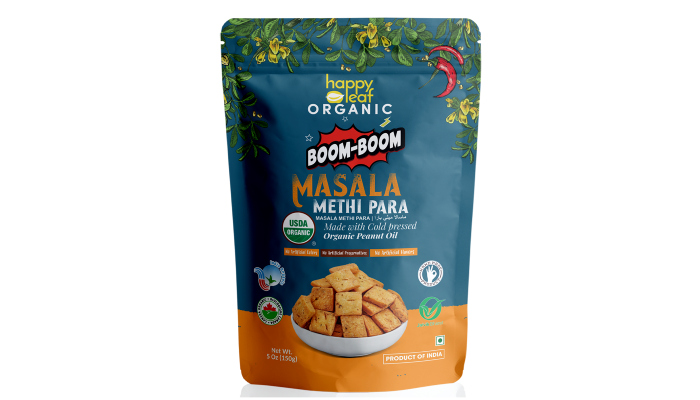
This awareness has led to the growing popularity of Organic Indian snacks. From roasted makhana (fox nuts) to millet khakras and baked namkeens, consumers now have a wide range of organic options that celebrate traditional flavors with modern health benefits.
1. Health Benefits of Organic Indian Snacks
Choosing Organic Indian snacks is not just about avoiding chemicals — it’s about nourishing your body with wholesome ingredients. Here’s how these snacks contribute to better health:
a. Rich in Nutrients
Organic snacks are usually made with nutrient-dense ingredients like millets, lentils, seeds, and whole grains. These provide essential vitamins, minerals, and fiber that keep you full and energized throughout the day.
b. Free from Chemicals and Preservatives
Organic certification ensures that the ingredients are grown without pesticides, insecticides, or artificial preservatives. This significantly reduces the risk of chemical residues in your food — a big win for long-term health.
c. Better Digestion
Snacks made from natural ingredients and traditional recipes are easier to digest. The use of cold-pressed oils, natural spices, and unrefined salt helps maintain gut health and prevents bloating or discomfort.
d. Supports Weight Management
Unlike deep-fried or processed snacks, most organic options are baked, roasted, or air-fried. They are high in fiber and low in empty calories, making them a perfect companion for weight-watchers.
2. Supporting Local Farmers and Sustainability
When you choose Organic Indian snacks, you’re not just making a healthy choice for yourself — you’re also contributing to a larger cause.
Organic farming encourages sustainable agricultural practices. Farmers avoid synthetic fertilizers and focus on maintaining soil fertility through crop rotation, composting, and natural pest control. This preserves biodiversity and improves soil health over time.
By buying organic snacks, you help create a fair ecosystem where farmers earn better livelihoods and the environment stays protected. It’s a small change that leads to a big positive impact.
3. Authentic Indian Flavors, the Organic Way
Indian snacking culture is diverse — from spicy namkeens in the North to crispy murukkus in the South. The best part is that you don’t have to compromise on taste when going organic.
Today, brands offering Organic Indian snacks have perfected the balance between health and flavor. Some examples include:
- Organic Roasted Makhana – A protein-rich, low-fat alternative to chips.
- Millet Khakhra – Crunchy, fiber-packed wafers made with whole millets.
- Organic Poha Chivda – A light, savory mixture of flattened rice and natural spices.
- Baked Bhujia or Sev – The classic taste of India, but without excess oil or preservatives.
- Ragi Cookies and Energy Bars – Great for kids and fitness enthusiasts alike.
Each of these snacks maintains the essence of traditional Indian recipes while being made with organic ingredients that are safe and wholesome.
4. How to Identify Genuine Organic Snacks
As “organic” becomes a buzzword, some products may claim to be organic without truly meeting the standards. Here’s how you can identify authentic Organic Indian snacks:
- Check the certification – Look for official organic certifications like India Organic, USDA Organic, or FSSAI-verified organic seals.
- Read the ingredient list – Avoid products with artificial additives, flavor enhancers (like MSG), or synthetic preservatives.
- Research the brand – Choose brands that are transparent about their sourcing, ingredients, and manufacturing processes.
- Pay attention to packaging – Organic brands usually use eco-friendly or minimal packaging to align with sustainability goals.
A few extra minutes of checking labels can help you make a smarter, cleaner choice.
5. Organic Snacking for Every Lifestyle
Whether you’re a busy professional, a parent, or a fitness lover, Organic Indian snacks fit perfectly into every lifestyle:
- For office-goers – Keep roasted chana, millet puffs, or baked mixtures handy for guilt-free snacking.
- For kids – Organic cookies, puffed rice snacks, and flavored makhana make safe and tasty school snacks.
- For fitness enthusiasts – Choose snacks high in protein and fiber, like flaxseed bars or quinoa crisps.
- For family gatherings – Organic mixtures and namkeens make great, healthy additions to your tea-time platter.
With so many options, healthy eating no longer feels restrictive — it’s just smarter and more satisfying.
6. Why Organic Indian Snacks Are Worth the Price?
One of the biggest misconceptions is that organic products are “too expensive.” While it’s true that they may cost slightly more, the price reflects the quality and effort involved in organic farming and sustainable production.
Think of it this way — when you buy Organic Indian snacks, you’re investing in your long-term health, supporting ethical practices, and reducing exposure to harmful chemicals. The benefits far outweigh the small price difference.
7. The Future of Snacking Is Organic
As more consumers shift toward conscious eating, the future of snacking in India is undoubtedly organic. Brands are continuously innovating, combining traditional ingredients with modern flavors to make healthy snacking more exciting and accessible.
With growing awareness and demand, Organic Indian snacks are no longer a niche trend — they’re becoming a part of everyday living.
Final Thoughts
Switching to Organic Indian snacks is not just about eating healthy — it’s about making a conscious lifestyle choice. You get to enjoy the authentic taste of India while caring for your health, supporting local farmers, and protecting the planet.
Next time you reach for a packet of chips or namkeen, take a moment to read the label. Choose organic. Choose better. Because when you go organic, you’re not giving up taste — you’re gaining wellness.

Althea Carter is an aspiring writer and storyteller from Kentucky. Her passion for literature and storytelling began at a young age, and now she is an avid blogger and author, sharing her experiences and stories with readers from around the world. When she’s not creating content for her blog, Althea loves nothing more than exploring the complexities of the human experience through theatre, reading, painting, and travelling. She hopes her words and art can inspire others to create, explore, and experience the world around them.