
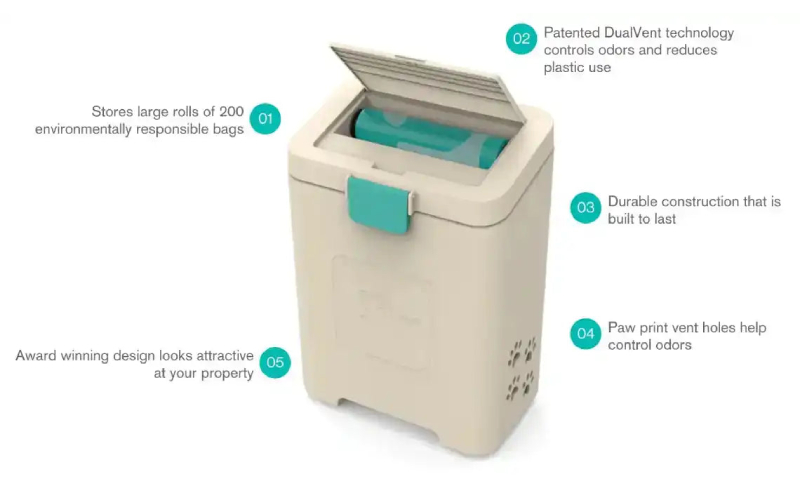
With growing concern for the environment, people are looking for sustainable ways to reduce their carbon footprint. One of the most effective and often overlooked ways to reduce environmental impact is to employ a dog waste station. Dog waste stations offer a convenient, environmentally conscious way to reduce negative impacts on our environment while making life a little easier for pet owners. Not only do they help keep your lawn and neighborhood clean and tidy, but they also help keep water and air pollution under control.
Dog waste stations allow pet owners to store and dispose of pet waste in an organized, sanitary way, reducing the contamination of soil, water, and air. By preventing pet waste from entering waterways, dog waste stations play an important part in preserving local eco-systems.
Responsible Waste Management: Promoting Proper Disposal Of Dog Waste Station
Responsible waste management is crucial for maintaining a clean and sustainable environment. In the case of dog waste, promoting proper disposal methods is essential to minimize its impact on our surroundings. Encouraging dog owners to pick up after their pets and dispose of the waste in designated bins or bags helps prevent the accumulation of harmful bacteria and parasites in public areas. By implementing clear guidelines and providing convenient waste disposal facilities, we can ensure that dog waste station is managed responsibly, reducing health risks and promoting cleanliness in our communities.
Minimizing Pollution: Preventing Water And Soil Contamination
Dog waste contains harmful bacteria and pollutants that, if left unattended, can contaminate water bodies and soil. To minimize pollution, it is essential to raise awareness among dog owners about the environmental consequences of improperly disposing of dog waste. Encouraging the use of biodegradable waste bags and providing designated disposal areas can help prevent contamination. Additionally, implementing regular monitoring and cleaning programs in parks and public spaces can ensure that any waste left behind is promptly removed, reducing the risk of pollution and creating a safer environment for both humans and wildlife.
Protecting Ecosystems: Preserving Natural Habitats And Wildlife
Preserving natural habitats and wildlife is crucial for maintaining the ecological balance of our planet. Proper dog waste management plays a significant role in protecting ecosystems. When dog waste is left unattended, it can introduce harmful bacteria and parasites into natural habitats, endangering local wildlife. By promoting responsible waste management practices, such as picking up and properly disposing of dog waste, we can help preserve the integrity of our ecosystems and safeguard the diverse range of plants and animals that inhabit them. Furthermore, creating awareness about the potential harm caused by dog waste to wildlife encourages responsible pet ownership and fosters a sense of stewardship towards our natural environment.
Enhancing Public Health: Preventing The Spread Of Diseases
The responsible management of dog waste is closely tied to public health. Dog waste carries various pathogens and parasites that can pose health risks to humans and other animals. By promoting proper disposal practices, we can prevent the spread of diseases such as giardia, roundworm, and E. coli, which are commonly associated with dog waste. Providing educational resources and encouraging pet owners to regularly clean up after their dogs not only helps protect human health but also contributes to the overall cleanliness and well-being of our communities. Through responsible waste management, we can minimize the transmission of diseases and ensure a healthier environment for everyone.
Cleaner Parks And Public Spaces: Creating A Pleasant Environment For Everyone
Clean and well-maintained parks and public spaces are essential for promoting recreational activities and fostering a sense of community. Responsible waste management, particularly when it comes to dog waste, plays a crucial role in creating cleaner and more pleasant environments for everyone to enjoy. By implementing strategies such as increasing the number of waste bins and providing waste bag dispensers in public areas, we can encourage pet owners to clean up after their dogs. Regular cleaning and maintenance of these spaces also contribute to a positive atmosphere, making them more inviting for visitors and ensuring that the beauty of our parks and public areas remains intact.
Odor Control: Minimizing Unpleasant Smells In Residential Areas
One of the challenges associated with dog waste is the odor it produces, especially when left unattended. Proper waste management practices can help minimize these unpleasant smells, particularly in residential areas. Encouraging pet owners to promptly clean up after their dogs and dispose of the waste in designated areas significantly reduces the chances of lingering odors. Implementing regular cleaning and disinfection of public spaces and employing odor control measures, such as the use of deodorizing agents or waste containment systems, can also effectively mitigate the impact of dog waste odors. By prioritizing odor control, we can enhance the overall quality of life in residential areas and ensure a more pleasant living environment for everyone.
Educating Pet Owners: Promoting Awareness Of Environmental Impact
Educating pet owners about the environmental impact of dog waste is crucial in promoting responsible waste management practices. By raising awareness about the potential health risks, water and soil contamination, and harm to wildlife caused by improperly disposing of dog waste, we can encourage pet owners to take the necessary steps to mitigate these effects. Providing educational resources, distributing informational materials, and organizing community events or workshops can help disseminate knowledge about the importance of responsible waste management. By empowering pet owners with the understanding and tools to make environmentally conscious choices, we can collectively work towards creating a cleaner and more sustainable future.
Sustainable Solutions: Reducing The Carbon Footprint Of Dog Waste
In our efforts to address environmental challenges, it is essential to consider sustainable solutions for managing dog waste. Traditional waste disposal methods, such as landfilling, contribute to greenhouse gas emissions and the overall carbon footprint. By adopting environmentally friendly alternatives, such as composting or biogas production, we can reduce the environmental impact of dog waste. Composting dog waste in dedicated systems can transform it into nutrient-rich soil amendments, while biogas production harnesses the waste’s energy potential. These sustainable approaches not only minimize waste sent to landfills but also contribute to renewable energy generation and soil enrichment. By embracing innovative and eco-friendly waste management practices, we can effectively reduce the carbon footprint associated with dog waste and move towards a more sustainable future.
Community Engagement: Fostering Collaboration For A Cleaner Environment
Community engagement plays a vital role in promoting responsible waste management practices and creating a cleaner environment. By fostering collaboration among community members, local authorities, and pet owners, we can develop effective strategies and initiatives to address dog waste management. Engaging residents through educational campaigns, community clean-up events, or volunteer programs encourages a sense of ownership and responsibility for the environment. Collaboration between local authorities and community organizations can result in the implementation of proper waste disposal infrastructure, such as waste bins and bag dispensers, in key public areas. By working together, we can create a cleaner and more sustainable environment for all, fostering a sense of pride in our communities and promoting a collective commitment to responsible waste management.
Long-Term Environmental Benefits: Contributing To A Greener Future
Responsible waste management practices concerning dog waste not only offer immediate benefits but also contribute to long-term environmental sustainability. By actively promoting proper disposal methods and educating pet owners, we establish a foundation for a greener future. These practices reduce pollution, protect ecosystems, enhance public health, and create cleaner and more pleasant environments. As pet owners adopt responsible waste management habits, the cumulative impact over time results in a significant reduction in environmental degradation. Through our collective efforts, we can safeguard natural resources, preserve biodiversity, and mitigate the effects of climate change. By recognizing the long-term environmental benefits of responsible waste management, we can work towards building a sustainable and thriving planet for generations to come.
Conclusion
Installing a dog waste station is a great way to help reduce environmental impact. Providing a convenient station for pet owners to safely discard used pet waste bags, encourages dog owners to be more responsible and dispose of their waste properly. It also benefits the environment by reducing the amount of waste that ends up in waterways and on land. In addition to helping reduce environmental impact, the dog waste station will also help to make local parks and neighborhoods more welcoming to dog owners and their dogs.

Althea Carter is an aspiring writer and storyteller from Kentucky. Her passion for literature and storytelling began at a young age, and now she is an avid blogger and author, sharing her experiences and stories with readers from around the world. When she’s not creating content for her blog, Althea loves nothing more than exploring the complexities of the human experience through theatre, reading, painting, and travelling. She hopes her words and art can inspire others to create, explore, and experience the world around them.